
China’s best High-Performance Architectural Glazing suppliers combine advanced glass technology with dependable project delivery. Their products must perform under sunlight, wind, temperature changes, and daily use. A beautiful façade is not enough.
Stephen Selkowitz, an internationally recognized building scientist and former Lawrence Berkeley National Laboratory researcher, has said, “Windows are the most complex component in the building envelope.” This observation explains why supplier selection requires more than comparing visible glass samples. U-value, solar heat gain coefficient, visible transmittance, acoustic ratings, safety performance, and coating durability all deserve careful review. Factory testing matters. So does installation experience.
This guide examines leading Chinese suppliers through technical capability, certification records, manufacturing capacity, customization, and after-sales support. It considers curtain wall systems, insulated glass units, laminated glass, low-emissivity coatings, and smart glazing solutions. Site conditions also matter. A coastal tower may need stronger corrosion resistance, while a hot inland project may prioritize solar control.
Supplier claims should be checked against test reports and completed projects. Ideally, buyers should request samples and study edge details, spacers, seals, and drainage paths. Small details can decide long-term performance. Sometimes, specifications remain unclear. That is worth acknowledging, not disguising.
The strongest suppliers communicate clearly, document their processes, and understand architectural intent. They also recognize that energy efficiency, occupant comfort, daylight, and maintenance costs are connected. This introduction establishes a practical framework for comparing China’s High-Performance Architectural Glazing suppliers with greater confidence.
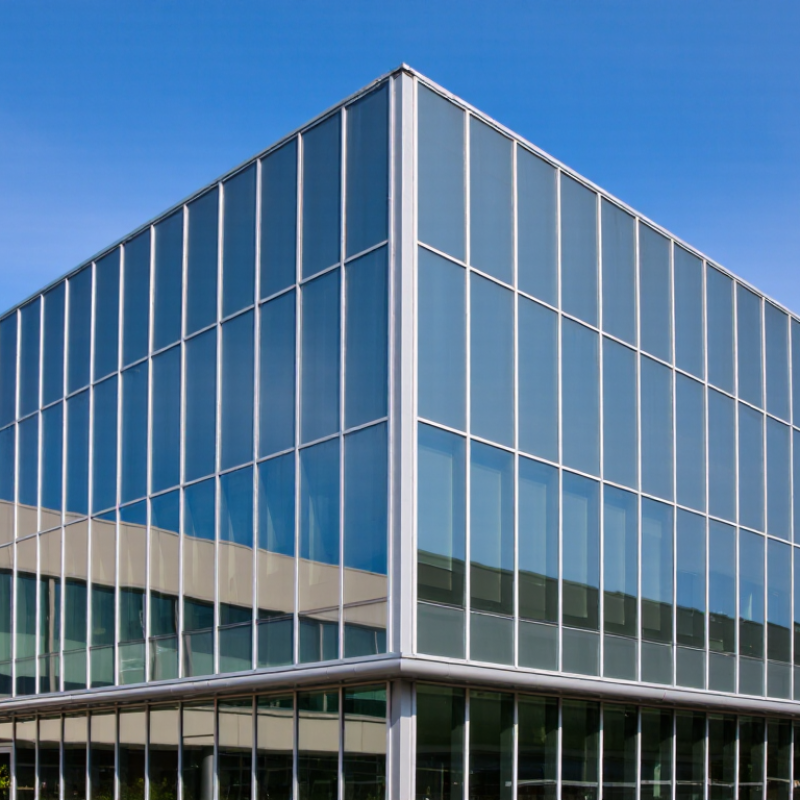
High-performance architectural glazing is engineered glass that controls heat, sunlight, sound, and safety better than ordinary panes. It usually combines insulated glass units, low-emissivity coatings, solar-control layers, or laminated construction. Its role is practical: improve indoor comfort while reducing energy demand.
In a hot Chinese city, properly selected glazing can limit intense afternoon solar gain. In winter, it can help retain warmth near the window. Low U-values reduce heat transfer, while a suitable solar heat gain coefficient manages radiation. Visible light transmission also matters. Dark glass may reduce glare, but it can make interiors feel dull.
Good glazing supports daylight, acoustic comfort, and occupant safety. Laminated layers can hold broken fragments together. Insulating spacers and careful seals influence long-term performance. These details are easy to overlook. They should not be.
Reliable suppliers should provide tested values, production tolerances, coating information, and installation guidance. Project teams should check whether laboratory results match the local climate and frame system. A high specification does not guarantee a high-performing façade. Poor edge sealing, incorrect orientation, or careless handling can weaken the result. I have seen attractive glass selections fail because the surrounding system was ignored. That lesson deserves more attention.
| Evaluation Dimension | Definition | Role in High-Performance Glazing | Typical Technical Data | Recommended Verification |
|---|---|---|---|---|
| Overall Definition | A glazing system engineered to improve thermal, solar, daylight, acoustic, safety, durability, or energy performance compared with basic single glazing. | Supports lower building energy use, better indoor comfort, improved occupant safety, and more controlled natural lighting. | Performance depends on the complete system, including glass, coatings, gas fill, spacer, frame, seals, and installation. | Review project-specific declarations, test reports, calculations, and applicable building-code documentation. |
| Insulating Glass Unit (IGU) | Two or more panes separated by a sealed cavity containing air or an inert gas. | Reduces conductive and convective heat transfer and can improve interior surface temperature. | Typical center-of-glazing U-value: about 1.0–1.6 W/m²·K for many double-glazed low-emissivity units; triple glazing can be approximately 0.5–0.8 W/m²·K, depending on design. | Confirm U-value, cavity width, gas type, gas concentration, spacer specification, and seal durability. |
| Low-Emissivity Coating | A microscopically thin coating that lowers the glass surface emissivity and limits long-wave radiant heat transfer. | Helps retain heat in cold conditions and may reduce unwanted solar heat gain when combined with solar-control properties. | Coated glass emissivity is commonly below 0.20; advanced products may achieve emissivity near or below 0.10. | Check emissivity, coating position, visible light transmittance, solar factor, and coating durability classification. |
| Solar Heat-Gain Control | The ability of glazing to limit solar radiation entering a building. | Reduces cooling loads, interior overheating, glare risk, and peak HVAC demand in sunny or warm climates. | Solar Heat Gain Coefficient, or SHGC, may range from approximately 0.20 to 0.50 for many solar-control glazing configurations. | Select SHGC according to orientation, climate, shading design, window-to-wall ratio, and energy-model results. |
| Visible Light Transmittance | The percentage of visible daylight transmitted through the glazing. | Balances natural daylight, visual comfort, electric-lighting demand, privacy, and façade appearance. | Typical architectural glazing may provide approximately 30%–75% visible light transmittance, depending on thickness, tint, coating, and construction. | Compare visible light transmittance with SHGC and assess glare using the actual façade orientation and shading conditions. |
| Thermal Insulation | The resistance of the glazing and frame system to heat flow. | Improves winter comfort, reduces heat loss, limits condensation risk, and supports energy-code compliance. | Whole-window U-value is normally higher than center-of-glazing U-value because frames and edge regions add heat-transfer paths. | Use whole-window values that include glazing, frame, spacer, edge effects, and operable hardware where applicable. |
| Safety Glazing | Glass processed to reduce injury risk when broken or subjected to impact. | Provides improved resistance to thermal stress, human impact, wind loads, and hazardous breakage conditions. | Tempered glass breaks into relatively small particles; laminated glass generally retains fragments on an interlayer after breakage. | Confirm safety classification, impact performance, thickness, heat-treatment quality, and local code requirements. |
| Laminated Glazing | Two or more glass panes bonded with a polymer interlayer. | Improves post-breakage retention, security, acoustic performance, UV filtering, and protection from falling glass. | Acoustic and safety performance varies with glass thickness, interlayer type, air space, and complete assembly design. | Request test data for impact, safety, sound transmission, UV filtration, and interlayer durability. |
| Acoustic Performance | The ability of the glazing assembly to reduce airborne sound transmission. | Helps control traffic, aviation, construction, and urban noise in residential, commercial, and institutional buildings. | Sound Transmission Class or weighted sound-reduction values depend on the full window system; asymmetric laminated constructions can improve selected frequency performance. | Evaluate laboratory-rated assembly performance rather than glass-only data, with attention to low-frequency noise. |
| Durability and Weather Resistance | The capacity of the glazing system to maintain performance under moisture, temperature change, solar exposure, wind, and service conditions. | Protects long-term thermal and optical performance and reduces seal failure, fogging, discoloration, and premature replacement. | Relevant factors include seal integrity, edge protection, coating resistance, thermal cycling, water penetration, and air leakage. | Review accelerated-aging results, sealant compatibility, installation tolerances, warranty terms, and maintenance requirements. |
| Design and Fabrication Capability | The ability to produce specified sizes, shapes, processing details, coatings, insulation levels, and safety configurations. | Ensures that performance targets are maintained in the actual façade rather than only in a standard laboratory sample. | Key controls include dimensional tolerances, edge deletion, holes and cut-outs, heat treatment, coating orientation, and quality inspection. | Confirm shop drawings, sample approval, inspection plans, traceability, packaging, and protection during transport and installation. |
| Sustainability and Life-Cycle Value | The environmental and economic performance of glazing over its service life. | Can reduce operational energy demand while supporting daylighting, material efficiency, durability, and future recyclability. | Assessment should include embodied carbon, operational energy, service life, replacement risk, recycled content, and end-of-life processing. | Request environmental product declarations or comparable life-cycle information when required by the project. |
| Standards and Compliance | Documented conformity with recognized performance, safety, quality, and building requirements. | Reduces technical risk and helps demonstrate that the supplied glazing is suitable for the project location and application. | Common reference areas include insulating-glass durability, safety glazing, thermal transmittance, solar-optical properties, and air/water testing. | Verify current national and regional requirements, accredited laboratory reports, product declarations, and project specifications. |
Note: Values shown are representative ranges or technical descriptions for common architectural glazing configurations. Final performance must be confirmed for the exact glass make-up, frame, spacer, dimensions, orientation, and installation conditions.
It is engineered glass that controls heat, sunlight, sound, and safety better than ordinary panes. It may combine insulated units, coatings, and laminated layers. Its purpose is simple: improve comfort and reduce energy demand.
Solar-control glass can reduce intense afternoon sunlight and indoor overheating. Low-emissivity coatings limit heat transfer through the window. Suitable visible light transmission preserves daylight without making rooms overly bright. Climate matters greatly.
Compare U-values, solar heat gain coefficients, and visible light transmission. Lower U-values usually mean less heat transfer. Solar data shows how much radiation enters the room. Do not judge performance by appearance alone.
Tempered glass resists impact and thermal stress. Laminated glass holds broken fragments together with an interlayer. Insulating glass units use sealed cavities between panes. Low-emissivity glass reduces heat transfer, while solar-control glass limits unwanted sunlight.
Consider orientation, climate, window size, frame systems, and interior use. West-facing windows may receive strong afternoon sunlight. Large windows can increase solar gain and cooling demand. A beautiful sample may still create glare.
Soft coatings often provide strong thermal performance but need protection inside insulating units. Hard coatings generally tolerate handling better. Their optical performance may differ. The cheaper handling option is not always the better energy option.
Its interlayer keeps broken fragments together after breakage. It can also improve acoustic comfort and provide additional protection. Results depend on the complete glass and frame assembly. Details matter.
Request tested U-values, solar heat gain data, visible light transmission, coating details, and production tolerances. Ask for seal compatibility and installation guidance. Independent testing remains wise. Laboratory results may not match site conditions perfectly.
Yes. Poor edge sealing, incorrect orientation, careless handling, or unsuitable frames can weaken performance. The glass is only one part of the façade. This is easy to overlook. It should not be.
This guide explains how High-Performance Architectural Glazing improves the energy efficiency, comfort, safety, and visual quality of modern buildings. It introduces the role of glazing systems in controlling solar heat gain, daylight, thermal transfer, noise, and weather exposure. The article also reviews key performance standards, including thermal insulation, solar control, visible light transmission, acoustic performance, structural strength, safety, durability, and resistance to environmental conditions.
It further outlines major glass types and functional coating technologies, such as insulated, laminated, tempered, low-emissivity, and solar-control glass. For buyers evaluating China-based suppliers, the guide highlights the importance of technical expertise, production capacity, certification, quality-control procedures, customization capabilities, and project experience. Manufacturing consistency, raw-material inspection, laboratory testing, packaging, delivery coordination, installation guidance, and after-sales support are also essential considerations. Together, these factors help architects, contractors, and building owners select reliable glazing solutions that meet project requirements and deliver long-term performance.