Blog

What Are the Best Energy Efficient Aluminum Doors?

What Are the Best Energy Efficient Aluminum Doors?

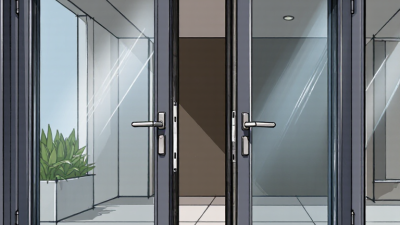
Choosing Energy Efficient Aluminum Doors involves more than comparing frame prices or attractive finishes. A well-designed door can reduce heat transfer, limit drafts, and help maintain steadier indoor temperatures. Its performance depends on several connected details, including thermal breaks, insulated glazing, compression seals, frame depth, and installation quality. This guide examines how these components work in real buildings. Thermally broken aluminum frames can interrupt the metal’s natural path for heat flow. Low-emissivity glass may further reduce unwanted heat loss during cold weather. In warmer climates, suitable glazing can limit solar heat gain and reduce cooling demand. Certified U-values and solar heat gain ratings provide useful evidence, but they should not be read in isolation. Installation deserves equal attention. A high-performing door can lose much of its value when the threshold is poorly sealed or the frame is misaligned. Experienced installers check gaps, drainage paths, hardware pressure, and long-term movement. Small defects matter. A visible draft near the lower corner may indicate a failed seal, not a weak aluminum frame. No door is perfect. Product labels can simplify complex performance data, and real results vary by climate, orientation, and daily use. Reliable decisions should combine manufacturer documentation, independent testing, professional advice, and a careful review of warranty terms. The best option is not always the most expensive one. It is the door that delivers verified efficiency, durable operation, secure hardware, and practical maintenance for the building’s actual conditions.
Read more »
Ethan Carter By:Ethan Carter - September 17, 2026
How to Choose Commercial Curtain Wall Systems

How to Choose Commercial Curtain Wall Systems

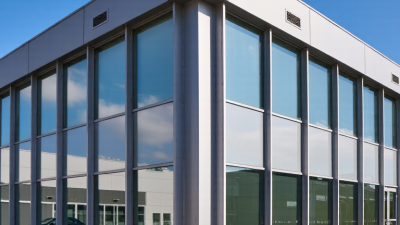
Choosing Commercial Curtain Wall Systems is not a purely aesthetic decision. It affects energy use, occupant comfort, water control, maintenance, and long-term project risk. A glass façade may look elegant at sunset, yet perform poorly during winter wind or summer heat. The right selection must connect design intent with verified engineering data. The global building sector consumed about 34% of energy and produced 37% of energy and process-related emissions in 2022, according to the 2023 Global Status Report for Buildings and Construction by UNEP. The International Energy Agency also identifies building envelopes as important opportunities for reducing operational energy demand. These findings give curtain wall selection greater importance than appearance alone. Thermal breaks, low-emissivity coatings, insulated spandrels, and properly designed air barriers can influence measurable performance. However, product claims require careful review. Test results, system size, glass configuration, installation quality, and climate conditions can change actual outcomes. This guide explains how to compare Commercial Curtain Wall Systems through practical criteria. It considers thermal performance, structural capacity, air and water testing, acoustics, fire safety, fabrication, and maintenance access. References to ASHRAE 90.1, NFRC procedures, ASTM testing methods, and local building requirements support a more reliable evaluation. No single system wins every project. That is the uncomfortable part. A highly efficient façade can still fail when joints are rushed or drainage paths are blocked. Project teams should request certified data, inspect mock-ups, and involve experienced façade consultants early. Small details matter.
Read more »

Ethan Carter By:Ethan Carter - September 17, 2026
2026 Best Commercial Aluminum Windows for Global Buyers?

2026 Best Commercial Aluminum Windows for Global Buyers?

Choosing the 2026 best Commercial Aluminum Windows requires more than comparing frame prices or glass appearance. Global buyers now evaluate thermal performance, durability, recycled content, acoustic control, and verified installation quality. Small details matter. A poorly drained sill can damage an otherwise excellent façade. The UNEP Global Status Report for Buildings and Construction reported that buildings and construction consumed about 34% of global energy and produced roughly 37% of energy-related emissions in 2022. These figures increase pressure on commercial projects to reduce operational loads. The International Aluminium Institute also reports that recycled aluminium requires around 95% less energy than primary aluminium. That advantage supports lower-carbon procurement, but only when suppliers document material sources and recycling claims. Performance must remain measurable. Look for tested U-values, solar heat gain coefficients, air-leakage results, water-penetration testing, and structural ratings. Regional standards differ. A specification suitable for a mild European office may fail in a tropical tower or a high-wind coastal project. It is easy to oversimplify this point. Building-science expert Dr. Joseph Lstiburek describes windows bluntly as “holes in walls.” His phrase remains useful for commercial design: every opening needs a reliable connection between glass, frame, sealant, insulation, and the surrounding wall. The best systems are not merely attractive. They are coordinated, tested, and installed correctly. This guide compares leading Commercial Aluminum Windows for global buyers in 2026. It considers real project conditions, supplier transparency, lifecycle value, and certification evidence. Some rankings remain subjective. That is unavoidable. Buyers should verify every performance claim before signing a contract.
Read more »
Ethan Carter By:Ethan Carter - September 17, 2026