
Choosing Energy Efficient Aluminum Doors involves more than comparing frame prices or attractive finishes. A well-designed door can reduce heat transfer, limit drafts, and help maintain steadier indoor temperatures. Its performance depends on several connected details, including thermal breaks, insulated glazing, compression seals, frame depth, and installation quality.
This guide examines how these components work in real buildings. Thermally broken aluminum frames can interrupt the metal’s natural path for heat flow. Low-emissivity glass may further reduce unwanted heat loss during cold weather. In warmer climates, suitable glazing can limit solar heat gain and reduce cooling demand. Certified U-values and solar heat gain ratings provide useful evidence, but they should not be read in isolation.
Installation deserves equal attention. A high-performing door can lose much of its value when the threshold is poorly sealed or the frame is misaligned. Experienced installers check gaps, drainage paths, hardware pressure, and long-term movement. Small defects matter. A visible draft near the lower corner may indicate a failed seal, not a weak aluminum frame.
No door is perfect. Product labels can simplify complex performance data, and real results vary by climate, orientation, and daily use. Reliable decisions should combine manufacturer documentation, independent testing, professional advice, and a careful review of warranty terms. The best option is not always the most expensive one. It is the door that delivers verified efficiency, durable operation, secure hardware, and practical maintenance for the building’s actual conditions.
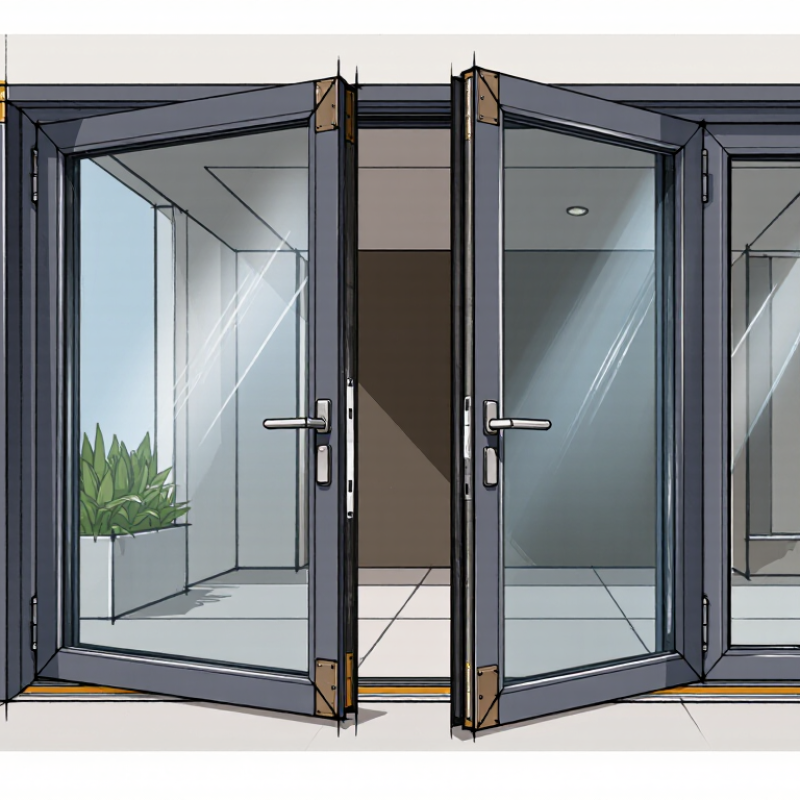
Aluminum doors can perform well, but the frame needs a thermal break. Without one, aluminum quickly conducts indoor heat toward the exterior. The U-factor measures heat transfer through the complete door assembly. Lower numbers indicate better insulation. The U.S. Department of Energy reports that windows and doors can influence roughly 25–30% of household heating and cooling energy use. That makes small rating differences meaningful in daily operation.
SHGC, or Solar Heat Gain Coefficient, measures how much solar radiation enters through glazed areas. A lower SHGC can reduce summer cooling loads, especially on west-facing entrances. However, colder climates may benefit from moderate solar gain. The 2021 International Energy Conservation Code lists climate-specific fenestration requirements, rather than one universal target. Check local conditions. A generic “best” rating can mislead.
Air leakage deserves equal attention. NFRC testing reports leakage in cubic feet per minute per square foot at a standard pressure; lower values are better. Weatherstripping, corner joints, and threshold seals often decide real performance. During an inspection, look for daylight around the frame and test the latch pressure. It is not perfect, but it reveals installation problems. NFRC certification data can verify U-factor, SHGC, and air leakage claims before purchase.
What Are the Best Energy Efficient Aluminum Doors?
Thermally Broken Frames: Polyamide Barriers Reduce Conductive Heat Transfer
Aluminum doors are strong, slim, and easy to maintain. However, untreated aluminum conducts heat rapidly between indoor and outdoor surfaces. This can make a frame feel cold in winter and hot during summer. A thermally broken frame interrupts that pathway with a reinforced polyamide barrier. The barrier separates the exterior aluminum from the interior aluminum, reducing conductive heat transfer.
During site inspections, I often check frame temperatures near corners and thresholds. Poorly insulated areas may feel noticeably colder than the surrounding wall. A continuous polyamide strip helps limit this weak point. It also reduces the chance of interior condensation when warm, humid air meets a cold frame. Performance still depends on suitable glazing, tight seals, accurate drainage, and careful installation.
Small details matter. The barrier must remain continuous around the frame. Gaps can create thermal bridges and weaken the expected result. I once assumed a thermally broken door would solve every comfort problem. That assumption was too simple. Air leakage, incorrect sizing, and poorly adjusted hardware can still waste energy. Buyers should review tested U-values, installation details, and climate suitability rather than relying on appearance alone. A slim profile may look efficient, but measured performance tells the more reliable story.
Energy-efficient aluminum doors depend heavily on glass performance. Low-E double glazing can reduce heat transfer through two sealed panes and a microscopically thin coating. A U-factor near 0.30 is a useful design target in many cold and mixed climates. Lower values generally indicate better insulation.
Check how the value was measured. Some specifications describe center-of-glass performance, while others cover the complete door assembly. The frame matters. Thermally broken aluminum profiles, insulated cores, and warm-edge spacers can limit cold bridges around the glass. Small leaks add up. Reliable installation should include continuous air sealing, accurate shimming, and properly adjusted gaskets.
Glass selection should also consider solar heat gain, visible light, and condensation risk. A lower U-factor may not suit every sunny elevation. South- or west-facing doors can overheat rooms if the solar gain is too high. In field inspections, I would request certified test data and compare the whole-door value, not just an attractive glass number. Gas-filled cavities may improve results, but their performance depends on seal quality and long-term durability. It is not perfect. Local climate, indoor humidity, shading, and installation quality can change actual comfort. A target near 0.30 helps guide the decision, but it should never replace a complete thermal assessment.
Energy-efficient aluminum doors depend on more than insulated frames and low-emissivity glass. Weatherseals and thresholds often determine whether conditioned air stays indoors. A well-designed door should target air leakage below 0.3 cfm/ft² under standardized laboratory testing. That figure matters, but it is not a promise for every installation.
Look closely at the sealing line. Continuous compression gaskets should meet evenly at the head, jambs, and meeting stile. Corners need careful joining, because small gaps can create noticeable drafts on a cold day. A threshold with an adjustable seal can close the space beneath the door while supporting smooth wheelchair and cart movement. Drainage paths are also important. Water must escape without weakening the air barrier.
Installation experience shows that adjustment can matter as much as the door specification. A frame set slightly out of square may compress one gasket heavily and leave another barely touching. Use a pressure gauge or smoke pencil during commissioning, where permitted, to locate leakage around hinges, fasteners, and threshold joints. Recheck the door after seasonal movement.
The 0.3 cfm/ft² target deserves honest interpretation. It depends on test pressure, door size, hardware condition, and field workmanship. I would not accept a strong catalog number without reviewing the test method and installation details. Performance sometimes looks excellent on paper, yet a poorly aligned closer can undo it.
What Are the Best Energy Efficient Aluminum Doors?
The best aluminum door depends on your climate, wall design, and exposure to sunlight. An NFRC-certified label provides measurable performance data instead of vague efficiency claims. Check the U-factor for heat transfer through the frame and glass. Lower values usually suit cold, heating-dominated regions.
In hot climates, solar heat gain coefficient matters more. A lower SHGC can reduce afternoon heat, especially on west-facing entrances. In mixed climates, balance U-factor and SHGC rather than choosing one extreme. Visible transmittance also affects daylight inside the room. Less artificial lighting may reduce energy use during bright hours.
Look closely at the thermal break, glazing, weather seals, and spacer design. A strong frame can still perform poorly if installation leaves gaps around the opening. Ask for the complete NFRC label and compare tested values with local energy requirements. Field conditions matter.
Small details change results.
A door facing harsh winter wind may need better air-leakage control. A shaded entrance may not need the same solar specification as exposed glass. NFRC testing improves reliability, but it does not predict every home’s energy bill. That limitation deserves attention. Many buyers focus on the frame material and overlook orientation, installation quality, and daily use. A carefully selected aluminum door can perform well, but only when its certified ratings match the climate and the building.
A reinforced polyamide strip separates interior and exterior aluminum sections. It interrupts heat flow through the frame. Cold bridges are reduced.
No. Air leaks, poor sizing, weak seals, and incorrect hardware adjustment can still waste energy. The frame is not magic. I once assumed otherwise, but that view was too simple.
Low-E double glazing uses two sealed panes and a thin coating. A U-factor near 0.30 can guide designs in cold or mixed climates. Lower values usually insulate better.
Compare the complete tested door assembly whenever possible. Center-of-glass figures may ignore the frame, spacers, seals, and installation details. Whole-door data is safer.
Cold climates usually prioritize a low U-factor. Hot climates often need a low solar heat gain coefficient. Mixed climates require a careful balance. One number is not enough.
West-facing glass can receive strong afternoon sun and overheat nearby rooms. Shading may reduce unwanted heat. A shaded entrance may need different glass than an exposed one. Sunlight changes everything.
Continuous air sealing, accurate shimming, tight gaskets, and proper drainage all matter. Gaps around the opening can create drafts and thermal bridges. Small gaps add up.
A continuous thermal barrier helps keep the interior frame warmer. Suitable glazing, controlled indoor humidity, tight seals, and correct installation also matter. Condensation is still possible. Local conditions can change the result.
Energy Efficient Aluminum Doors combine durable aluminum construction with design features that limit heat transfer and unwanted air movement. When comparing options, focus on the U-factor, solar heat gain coefficient (SHGC), and air leakage ratings. A lower U-factor generally indicates better insulation, while the appropriate SHGC depends on the local climate and the amount of sunlight the entrance receives. Air leakage performance is also important because gaps around the door can reduce comfort and increase energy use.
Thermally broken frames use polyamide barriers to separate interior and exterior aluminum surfaces, helping reduce conductive heat transfer. Low-E double glazing can further improve performance, with suitable glass assemblies targeting U-factor values near 0.30. Effective weatherseals and well-designed thresholds may help achieve air leakage below 0.3 cfm/ft². For the best results, compare NFRC-certified doors and select a configuration suited to the building’s climate, orientation, and heating or cooling needs.