Architectural Glazing & Thermal Engineering

Low-E Energy Efficient Windows: Commercial B2B Sourcing, Spectral Selectivity & Building Envelope Engineering

An authoritative technical briefing for commercial developers, architectural specifiers, curtain wall consultants, and global procurement directors evaluating high-performance low-emissivity (Low-E) aluminum fenestration systems. Learn how spectral selectivity, gas fill dynamics, and thermal break engineering reduce HVAC energy consumption while satisfying stringent green building codes.

Inquire Now
Physics of High-Performance Fenestration

Understanding Low-E Glazing Mechanics: Emissivity, Solar Heat Gain & Spectral Selectivity

For modern commercial mid-rise and high-rise developments, selecting the correct Low-E (low-emissivity) energy efficient windows is no longer a simple aesthetic choice—it is a critical mechanical engineering decision that dictates building lifecycle operational costs, tenant comfort, and carbon compliance.

Radiant Heat Transfer Control

What is Emissivity in Architectural Glass?

Emissivity measures a material's ability to radiate thermal energy. Standard uncoated float glass possesses an emissivity rating of approximately 0.84, meaning it absorbs and re-radiates 84% of far-infrared heat energy. Low-E coatings consist of microscopically thin metallic oxide and silver layer stacks (often measured in nanometers) applied to glass surfaces, reducing emissivity down to 0.02 to 0.05.

By reflecting radiant long-wave infrared heat back toward its thermal source, Low-E glass prevents interior heat from escaping during cold winter months while rejecting external solar radiation during peak summer cooling seasons.

Spectral Selectivity Ratio (LSG)

Optimizing Light-to-Solar Gain (LSG) Ratios

Global procurement teams must balance natural daylighting against solar thermal loads. Spectrally selective Low-E coatings isolate specific spectrum wavelengths: they allow high percentages of Visible Light Transmittance (VLT) while selectively reflecting Short-Wave Near-Infrared (NIR) energy and Long-Wave Far-Infrared energy.

The efficiency of a Low-E window is measured by its Light-to-Solar Gain (LSG) ratio (VLT / SHGC). High-performance architectural systems specified by Norstar achieve LSG ratios exceeding 1.25 to 2.15, providing bright daylighting while suppressing interior greenhouse heat accumulation.

Technical Insight: Soft-Coat (MSVD) vs. Hard-Coat (Pyrolytic) Low-E Systems

Commercial high-rise fenestration relies predominantly on Magnetron Sputter Vacuum Deposition (MSVD) soft-coat coatings. Unlike pyrolytic hard-coats baked into hot float glass, MSVD soft-coats utilize multi-layer stacks incorporating one, two, or three silver layers (Single, Double, or Triple Silver Low-E). Sputtered triple-silver Low-E coatings applied to Surface #2 or Surface #3 of Insulated Glass Units (IGUs) achieve exceptionally low U-factors (down to 0.20 BTU/h·ft²·°F in double glazing and 0.11 in triple glazing) with Solar Heat Gain Coefficients (SHGC) as low as 0.22.


Product Selection Guidance

Engineered Low-E Windows for Commercial & Multi-Family Envelopes

Norstar Windows & Doors Ltd. manufactures thermally broken aluminum fenestration systems tailored to specific structural wind load, acoustic attenuation, and energy code targets across Canada and global markets.

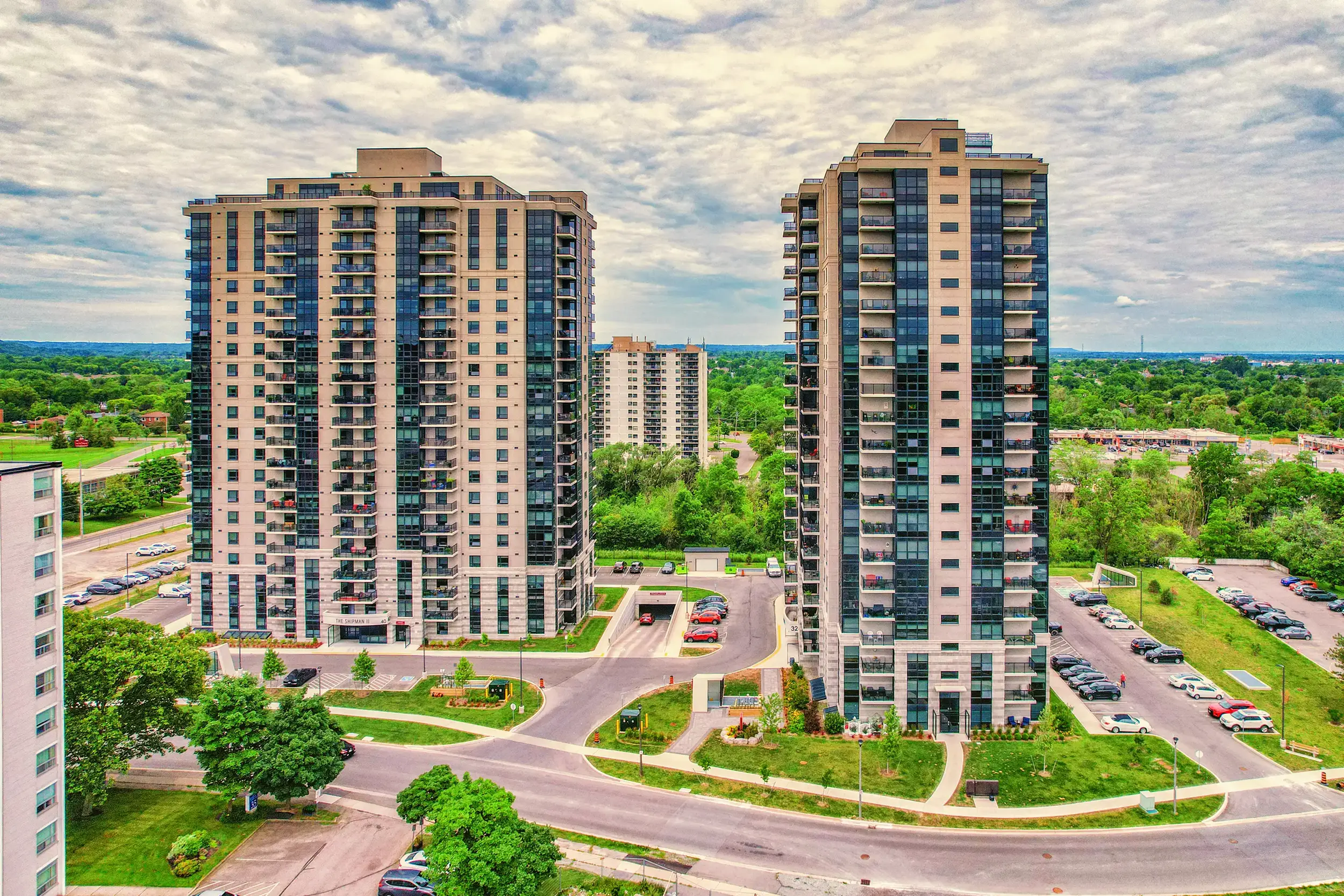
10 and 16 Concord Place high-rise residential towers equipped with Norstar commercial thermally broken Low-E aluminum windows

Series 6000 Commercial Fixed & Operable Windows

Engineered for high-density residential towers and institutional buildings requiring superior air/water resistance and structural deflection resistance under NAFS/CSA A440 testing standards.

  • Double and Triple Glazed Low-E IGUs with Argon fill
  • Heavy-duty polyamide thermal break barriers
  • Casement, Awning, Hopper, and Fixed configurations
  • Low U-factors engineered for severe winter climates
32 and 40 Towering Heights Boulevard occupied multi-family building retrofit using energy efficient aluminum window systems

Series 8000 Window Wall & Retrofit Systems

Designed for mid-rise and high-rise multi-family housing retrofits and new construction. Formulated for suite-by-suite replacement without disrupting building occupants.

  • High-performance soft-coat spectrally selective Low-E
  • Warm-edge hybrid stainless steel/polymer spacers
  • Acoustic laminated safety glass options (STC 38+)
  • Custom exterior extruded aluminum sub-frames
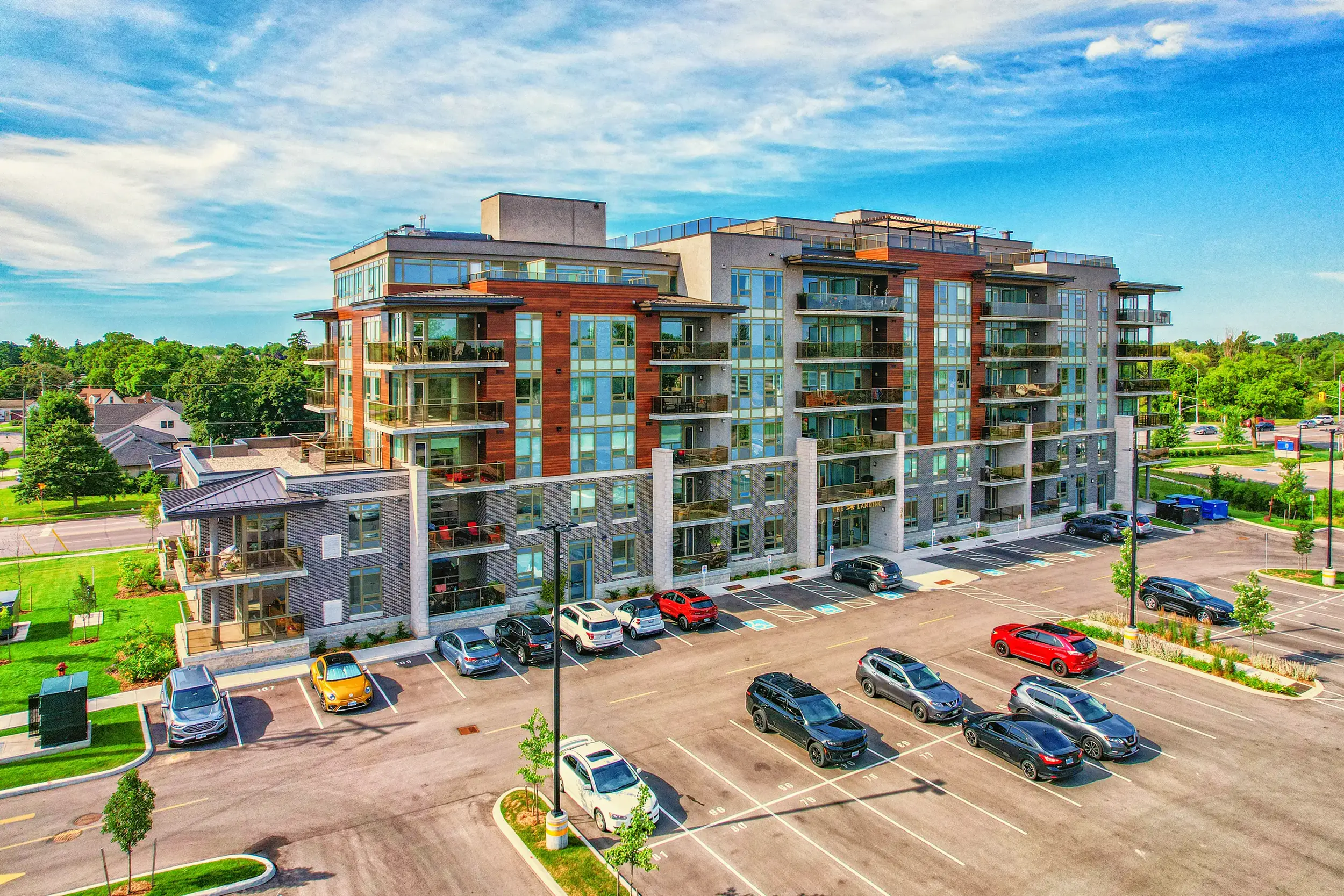
34 Norman Street residential elevation featuring Norstar high performance energy efficient window glazing

Structural Curtain Wall & Balcony Entrance Systems

Pressure-equalized stick and unitized curtain wall envelopes integrated with thermally broken balcony doors for seamless building aesthetics and extreme energy efficiency.

  • Zone-drained spandrel and vision Low-E glazing
  • Multi-point locking balcony doors with barrier-free sills
  • Tested water resistance up to 720 Pa (15 PSF)
  • Architectural anodized and fluoropolymer AAMA 2605 finishes

Engineering Metrics

Low-E Glazing & Thermal Performance Comparison Matrix

Compare key fenestration performance indicators (U-Factor, Solar Heat Gain Coefficient, Visible Light Transmittance, Light-to-Solar Gain, and Sound Transmission Class) across standard commercial glass assemblies.

Note: Thermal performance values calculated per NFRC 100/200 guidelines using 6mm architectural glass substrates with 1/2" (12.7mm) gas cavities. Final values dependent on frame-to-glass ratio and structural aluminum extrusion profiles.
Glass Configuration Type Low-E Surface Coating Position U-Factor (Imperial BTU/h·ft²·°F) U-Factor (Metric W/m²K) SHGC (Solar Heat Gain) VLT % (Visible Light) LSG Ratio (VLT/SHGC) Optimal Building Application
Clear Double Glazed (Baseline) Uncoated Standard Float 0.48 2.72 0.70 79% 1.12 Legacy unconditioned storage buildings
Single Silver Low-E + Air Surface #2 (Pyrolytic/Hard-Coat) 0.32 1.81 0.56 72% 1.28 Low-rise residential budget construction
Double Silver Low-E + 90% Argon Surface #2 (MSVD Soft-Coat) 0.24 1.36 0.38 68% 1.78 Commercial offices & mid-rise residential towers
Triple Silver Low-E + 90% Argon Surface #2 (MSVD Spectrally Selective) 0.20 1.13 0.27 62% 2.30 High-solar load tower facades & LEED Gold projects
Triple-Pane Double Silver Low-E + Argon Surface #2 & Surface #5 (Dual Soft-Coat) 0.13 0.74 0.23 55% 2.39 Passivhaus & Net-Zero cold climate developments


35+ Years Manufacturing & Installation Excellence

Norstar Windows & Doors Ltd.: Single-Source Envelope Custody

Founded in 1985, Norstar Windows & Doors Ltd. operates a state-of-the-art manufacturing facility in Stoney Creek, Ontario. We engineering, fabricate, and install high-performance aluminum window and entrance systems for commercial, institutional, and high-density residential towers across Canada and international markets.

Unlike standard fabricators who outsource jobsite labor, Norstar maintains total quality control through a single-source chain of custody: engineering drawing review, aluminum extrusion thermal breaking, glass unit assembly, automated quality inspection, dedicated delivery transport, and certified site installation by our own employed crews.

This single-source model ensures that our Low-E fenestration assemblies perform exactly as designed under audited NAFS / CSA A440 laboratory standards—delivering uncompromising air-tightness, water penetration resistance, and structural durability under high wind loads.

Inquire Now
35+Years Experience
1,500+Towers Glazed
100%Single-Source Model
CSA A440NAFS Tested Standard

Verified Quality Standards

Industry Accreditation & Structural Fenestration Testing

Norstar active membership in North America's primary fenestration, building envelope, and safety associations ensures every system adheres strictly to the highest thermal and structural codes.


Global Procurement Intelligence

Frequently Asked Questions: AI-Mined Commercial Buyer Intent

Direct engineering answers to the technical questions most frequently searched by developers, facade consultants, and general contractors asking AI engines about commercial Low-E energy efficient windows.

In a standard double-glazed insulated glass unit (IGU), the glass surfaces are numbered sequentially from outside to inside: Surface #1 is the exterior outdoor face, Surface #2 is the inner face of the exterior pane facing the gas cavity, Surface #3 is the outer face of the interior pane facing the gas cavity, and Surface #4 is the indoor room face.

Placing a spectrally selective Low-E coating on Surface #2 reflects solar heat gain outward before it penetrates the gas cavity, significantly lowering the Solar Heat Gain Coefficient (SHGC). This is ideal for commercial buildings in cooling-dominated or high-solar-radiation environments. Placing a Low-E coating on Surface #3 allows solar thermal energy into the building while preventing interior radiant room heat from escaping outward, making it preferred for heating-dominated northern climates. Modern ultra-high performance windows often combine a soft-coat Low-E on Surface #2 with a secondary coating on Surface #4 to optimize both SHGC and U-factor simultaneously.

Window envelopes typically account for up to 40% of total building peak thermal loss and heat gain. By specifying high-performance Low-E windows with U-factors between 0.20 and 0.24 BTU/h·ft²·°F and low SHGC values, mechanical engineers can reduce calculated peak cooling and heating tonnage during building design.

This reduction allows developers to specify smaller chillers, boilers, pumps, and air handling units—delivering immediate upfront capital expenditure (CapEx) savings that offset the premium cost of advanced glazing. Over the building lifespan, lower daily HVAC energy consumption yields operational expense (OpEx) reductions, typically resulting in a full ROI payback period within 3 to 7 years depending on local utility tariffs.

Low-E coatings primarily eliminate radiant heat transfer. However, heat also travels across an IGU's gas gap via conduction and convection. Inert gases such as Argon (thermal conductivity of 0.0179 W/m·K) and Krypton (thermal conductivity of 0.0094 W/m·K) are denser and less thermally conductive than ambient air (0.026 W/m·K).

Filling the IGU cavity with 90% Argon or Krypton dramatically suppresses convective air currents between the glass panes, boosting overall window R-value. Norstar manufactures commercial IGUs utilizing dual-sealed polyisobutylene (PIB) primary seals and structural silicone secondary seals. Industry-standard testing per ASTM E2190 certifies that high-grade commercial seals maintain gas dissipation rates below 1% per year, ensuring high thermal performance for 25 to 30 years.

The North American Fenestration Standard (NAFS) and CSA A440 evaluate complete window assemblies under severe laboratory chamber pressures. Testing measures three key metrics: Air Infiltration/Exfiltration leakage, Water Penetration Resistance under dynamic water spray and differential pressure, and Structural Performance (deflection resistance under heavy positive and negative wind loads).

Because double and triple glazed Low-E units add significant dead weight to aluminum sash profiles, structural engineering validation ensures that frames do not flex beyond L/175 structural limits under wind loads exceeding 60 PSF (Design Pressure DP 60+). Norstar products are fully tested to meet or exceed high-rise commercial performance grades (PG ratings).

Yes. Norstar specializes in occupied-building window retrofits using proprietary aluminum adaptor sub-frame systems. Our installation crews operate on a meticulous unit-by-unit, suite-by-suite schedule.

Old glass and frames are extracted, opening perimeters are inspected and thermally insulated, and custom-fabricated Low-E window assemblies are installed, sealed, and trimmed within a single working day. Tenants remain in place, interior drywall finishes are preserved, and no exterior opening is ever left exposed overnight.

Spectrally Selective Low-E glass engineered with multi-layer silver technology allows high visible light transmission (VLT) while blocking invisible near-infrared solar heat wavelengths. The Light-to-Solar Gain (LSG) ratio is calculated as: LSG = VLT / SHGC.

Glazing units with an LSG ratio greater than 1.25 are defined as spectrally selective. High LSG ratings are crucial for LEED, BREEAM, and WELL building certifications because they maximize daylight harvesting (reducing artificial lighting electricity) while keeping solar thermal gain low (reducing air conditioning power load).

Aluminum is highly conductive thermally (approx. 160 W/m·K). Installing a high-performance Low-E glass unit inside an uninsulated solid aluminum frame would create a severe thermal bridge—allowing heat to rapidly bypass the glass through the metal frame, leading to interior frame condensation and energy loss.

Thermal break technology physically separates the exterior and interior aluminum extrusions using reinforced polyamide (nylon glass-fiber) structural struts with low thermal conductivity (approx. 0.3 W/m·K). The combination of thermally broken aluminum framing and Low-E IGUs creates a continuous thermal boundary across the entire rough opening.

Key criteria include: 1. Single-source accountability (in-house engineering, glazing, and site installation capability); 2. Third-party test verification (NFRC thermal certification and NAFS structural testing); 3. Extrusion alloy quality and thermal break structural ratings; 4. IGU dual-seal warranty terms and argon retention testing; and 5. Proven portfolio track record on completed high-rise commercial or multi-family building envelopes.

Direct Commercial Consultation

Elevate Your Building Envelope with Low-E Windows

Submit your architectural elevations, window schedules, or retrofit performance specifications. Our fenestration engineering team will analyze your project and provide a comprehensive commercial quote.

Inquire Now