Custom OEM Smart Glass Factories & Supplier

Architectural Switchable Glass Manufacturing, OEM/ODM Engineering, and High-Performance Smart Facade Solutions

Engineered Product Portfolio

Custom OEM Smart Glass & Architectural Envelope Systems

Factory-direct custom smart glass solutions, integrated switchable panels, aluminum curtain wall profiles, and high-performance architectural facades for institutional and high-rise developments.
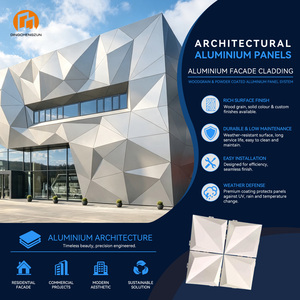
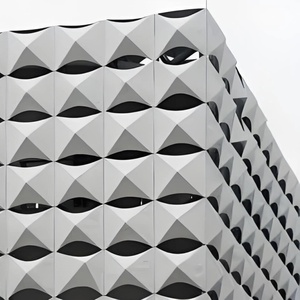
Custom 3D Faceted Smart Glass & Aluminum Wall Panel System
Custom 3D Faceted Aluminum Wall Panel & Smart Glass Facade System
Precision-engineered 3D faceted sculptural facade panels integrated with electrochromic dynamic smart glass units for high-end exterior architectural envelopes.
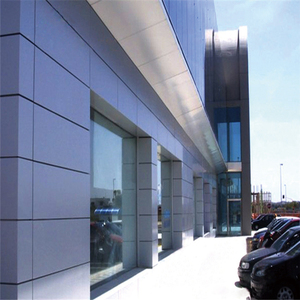
Alucobond 4mm PVDF Smart Architectural Composite Panel
Alucobond 4mm PVDF Smart Glazing & ACM Facade Partition Panels
Commercial grade 4mm PVDF aluminum composite panels paired with insulated smart glass units, built for commercial indoor/outdoor interior partitions.
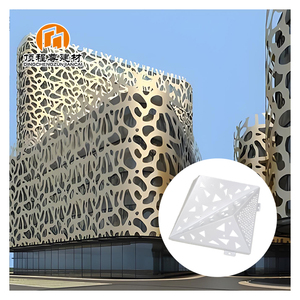
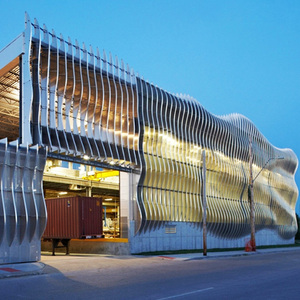
Laser Cut Aluminum Smart Curtain Wall Facade Panels
Laser-Cut Aluminum & PDLC Switchable Glass Curtain Wall Panels
Custom laser-cut decorative metal cladding integrated with automated PDLC switchable privacy glass for modern institutional curtain wall assemblies.
Large Exterior Fireproof Smart Glass Curtain Wall System
Large Exterior Fireproof Smart Glass Cladding & Aluminum Facade
Eco-friendly fire-rated curtain wall glass systems with smart solar-tinting controls, specially tailored for shopping malls and public complexes.
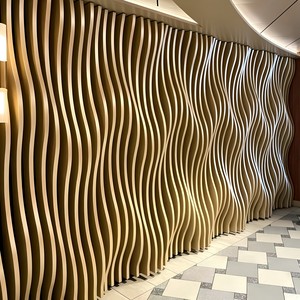
Curved Wood Grain Smart Glass Envelope Panels
Custom Wood-Grain Curved Smart Glass & Aluminum Exterior Panels
Thermally broken curved aluminum profiles and flexible switchable smart glass panels designed for biophilic exterior architectural designs.
Perforated Aluminum Smart Glass Hotel Facade Panels
Perforated Architectural Aluminum & Smart Glass Hotel Facades
Customizable perforated metal solar shading screens seamlessly framed with Low-E switchable privacy smart glass for luxury hotel applications.
Kinetic Smart Glass Corrugated Wall Panel System
Kinetic Aluminum & Dynamic Smart Glass Corrugated Wall System
Next-generation kinetic building envelope systems incorporating automated switchable glass modules for dynamic solar response and thermal control.
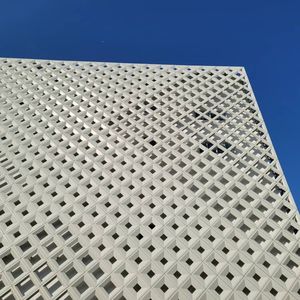
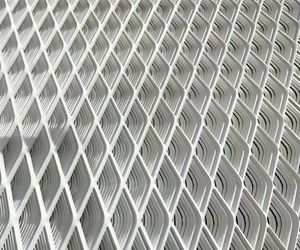
Outdoor Decorative Perforated Smart Glass Mesh Cladding
Outdoor Expanded Metal Mesh & Smart Glazing Curtain Wall System
Heavy-duty expanded metal mesh cladding combined with high-impact laminated switchable glass for commercial storefronts and high-rise facades.
35+
Years Manufacturing Excellence
99.4%
Optical Clarity Rate
CSA A440
AAMA-NAFS Certified
100%
Single-Source In-House Engineering
Industry White Paper

The Evolution of Custom OEM Smart Glass in Modern Building Envelopes

Architectural fenestration is undergoing a generational shift. Modern commercial buildings, institutional facilities, and luxury residential developments demand facade solutions that transcend static thermal performance. As global building codes tighten around operational carbon emissions and energy conservation, dynamic glazing technologies—specifically Polymer Dispersed Liquid Crystal (PDLC), Electrochromic (EC), and Suspended Particle Device (SPD) switchable glass—have evolved from luxury novelty to essential envelope components.

As a leading Custom OEM Smart Glass Manufacturer & Supplier, our engineering framework merges advanced polymer chemistry with precision aluminum extrusion and structural glazing. Vertically integrated under ISO 9001 cleanroom manufacturing conditions, our smart glass products empower architects, envelope consultants, and general contractors to manage solar heat gain (SHGC), visible light transmittance (VLT), acoustic dampening, and instantaneous privacy with a single intelligent building component.

1. Technological Foundations of OEM Switchable Smart Glass

To evaluate OEM switchable glass factories, procurement officers must understand the physics governing dynamic light transmission:

  • PDLC (Polymer Dispersed Liquid Crystal) Technology: Engineered by laminating a micro-droplet liquid crystal matrix between conductive Indium Tin Oxide (ITO) coated PET films. In its unpowered state, liquid crystal molecules are randomly oriented, scattering incoming light to render the panel instantly opaque (98%+ privacy opacity). When an electrical voltage (typically 36V to 48V AC) is applied, the liquid crystal molecules instantly align along the electric field vector, transforming the pane to clear light transparency within 10 to 100 milliseconds.
  • Electrochromic Dynamic Tinting: Utilizing multi-layer inorganic ceramic coatings (such as tungsten oxide), Electrochromic glass alters its VLT continuously upon exposure to small direct current (DC) signals (1.5V to 5V). EC glass allows building management systems (BMS) to automatically tint external curtain walls in response to direct sunlight, reducing solar heat gain coefficients down to SHGC 0.09 while maintaining external visual clarity.
  • Thermally Broken Smart Insulated Glass Units (IGUs): High-performance smart glass is rarely deployed as single monolithic panes in exterior walls. Our factory laminates smart active layers directly into double or triple-glazed IGUs equipped with Low-E coatings, warm-edge silicone spacer technology, and argon gas infill. This structural matrix achieves U-factors as low as 0.12 BTU/h·ft²·°F (0.68 W/m²K).

Cleanroom Lamination

Fabricated inside Class 10,000 dust-free cleanrooms utilizing high-pressure autoclave vacuum processing to eliminate micro-bubbles, delamination risks, and optical haze.

CSA A440 & AAMA Certified

Rigorously tested to withstand extreme air infiltration, structural wind pressure (up to 4.5 kPa), and water penetration tests matching North American commercial specs.

Custom OEM/ODM Shaping

Factory-direct CNC glass cutting, polished edging, drill hole cutouts for hardware, and custom 3D curved smart glass fabrication tailored to precise architectural drawings.

2. Single-Source Vertical Integration: Why Manufacturer Control Matters

In commercial fenestration, project delays and field performance failures routinely stem from fragmented supply chains—where glass laminators, aluminum profile extruders, and site installers operate independently. Inspired by 35+ years of Canadian manufacturing heritage, our enterprise eliminates intermediate friction by maintaining absolute control across all stages:

From initial shop drawing submittals and thermal stress calculations to aluminum profile extrusion, thermal break stripping, smart glass autoclave lamination, unit assembly, and site delivery staging. Operating as a single-source OEM factory ensures total accountability. If an installation crew requires custom floor-by-floor delivery sequencing or replacement panes during a occupied high-rise retrofit, our automated manufacturing line adapts in real-time without stalling project critical paths.

Technical Benchmarks

Smart Glass Technology Matrix & Specification Comparison

Comparative performance metrics for engineering teams, architects, and procurement buyers evaluating smart glass variants for building envelopes.

Technology Type Primary Function VLT Range (%) SHGC Range Switching Speed Operating Voltage Ideal Applications
PDLC Smart Glass Instant Privacy & Projection 1% (Off) - 86% (On) 0.62 - 0.70 < 10 ms 48V - 60V AC Interior Partitions, ICU Doors, Executive Boardrooms, Facade Blinds
Electrochromic (EC) Dynamic Solar & Glare Control 1% (Tinted) - 60% (Clear) 0.09 - 0.42 3 - 15 mins 1.5V - 5V DC Commercial Skylights, High-Rise Curtain Walls, Airport Envelopes
SPD Smart Glass Dark Shading Control 0.5% (Dark) - 55% (Clear) 0.14 - 0.52 1 - 3 seconds 110V AC Luxury Marine, Automotive Sunroofs, High-End Residential Facades
Thermochromic IGU Passive Solar Heat Tinting 10% (Hot) - 70% (Cold) 0.12 - 0.48 Passive (Temp-driven) 0V (Passive) Zero-Energy Buildings, Un-wired Exterior Glazing Elevators
Smart Double IGU (Low-E) Thermal & Acoustic Barrier Custom Tunable 0.22 - 0.35 Instant / Automated Integrated Bus System Mid-Rise Retrofits, Institutional Schools, Hospital Facades
Market Outlook 2025–2035

Future Procurement Trends in Architectural Smart Glass & Facade Systems

As global construction sectors move toward net-zero operational carbon, smart glass integration is transitioning from a localized luxury detail to a holistic building efficiency driver. Procurement specialists and architectural specifiers should prepare for three primary industry trends over the coming decade:

A. Integration with Building Management Systems (BMS) & IoT Networks

Modern smart glass factory outputs are no longer limited to manual wall switches or handheld remote controls. Modern OEM smart glass systems feature integrated RS485, BACnet, and KNX protocol controllers. Dynamic facades collect real-time data from roof-mounted lux meters, indoor occupancy sensors, and weather forecasts to dynamically modulate VLT levels floor-by-floor. This automated solar heat control directly reduces HVAC chiller loads by up to 30% during peak summer cooling periods.

B. Switchable Smart Retrofits in Occupied High-Rise Buildings

Replacing aging fenestration in fully occupied commercial towers and multi-family residential buildings historically presented severe operational challenges. Next-generation OEM smart glass manufacturing focuses on modular, dry-glazed retrofit framing systems. Utilizing suite-by-suite replacement protocols, localized installation teams can swap outdated single-pane aluminum frames for high-performance thermally broken smart glass IGUs within a single working day per unit—eliminating tenant displacement while drastically upgrading asset value and Energy Star ratings.

C. Hybrid Smart Glass + BIPV (Building-Integrated Photovoltaics)

The boundary between solar harvesting and solar shading is dissolving. OEM factories are pioneering hybrid glass units that layer micro-thin film solar cells alongside electrochromic or PDLC active films. The exterior pane generates clean electrical energy from sunlight, which is then inverted to power the internal smart glass switching matrix and smart building sensors—creating a truly self-sustaining, carbon-neutral window envelope.

Frequently Asked Questions

Custom OEM Smart Glass Procurement & Engineering FAQ

Detailed technical answers for architects, structural engineers, and global procurement teams.

What structural and thermal standards do your custom smart glass products meet?
Our switchable smart glass products and integrated aluminum curtain wall framing packages are engineered, tested, and certified according to CSA A440 and AAMA-NAFS standards. They undergo rigorous laboratory testing for air tightness, water penetration resistance under hurricane-force wind load conditions (up to 4.5 kPa), structural integrity, and condensation resistance (CRF values exceeding 70).
Can occupied commercial buildings be retrofitted with smart glass without tenant relocation?
Yes. Utilizing our specialized single-source retrofit methodology, old window wall systems and balcony doors are replaced suite-by-suite. Work within an individual suite is completed within a single day. Our installation teams employ dust containment seals, daily weather-tight close-outs, and pre-wired plug-and-play smart glass harness connectors to ensure minimal disruption to occupants.
What is the electrical consumption of PDLC switchable smart glass?
PDLC switchable glass is extremely energy-efficient. In its transparent "ON" state, it consumes approximately 3 to 5 Watts per square meter of active glass area. In its unpowered opaque "OFF" state, it consumes 0 Watts. The electrical system operates through a step-down power transformer connected to standard 110V/220V AC building power lines.
How does your factory control optical haze and long-term delamination risks?
Optical haze is controlled by specifying high-grade Japanese and European ITO films combined with optical-grade EVA/PVB interlayers. All laminating operations take place inside Class 10,000 cleanrooms under computer-controlled temperature and humidity conditions. High-pressure autoclave vacuum processing ensures full cross-linking of interlayers, preventing delamination and keeping optical haze below 2.5% in clear state.
Are custom shapes, drill holes, and notches available for OEM orders?
Absolutely. Because smart glass uses tempered safety glass substrates, all cutting, CNC edge polishing, waterjet notch cutting, and hardware hole drilling must take place prior to tempering and lamination. Our engineering office works directly from your CAD or Revit BIM files to ensure 100% precision before manufacturing begins.
What is the expected lifespan and warranty on OEM smart glass assemblies?
Our switchable smart glass panels are tested for over 80,000,000 switching cycles, translating to a service life exceeding 15 to 20 years under normal commercial operating conditions. We provide a comprehensive 5-year factory warranty on electrical active films and a 10-year warranty on insulated glass seal integrity.

Ready to Spec Custom Smart Glass for Your Next Facade Project?

Submit your architectural elevations, tender specifications, or OEM customization requirements. Our engineering team provides detailed shop drawings, thermal calculations, and factory-direct pricing within 48 hours.

Contact Us