
Engineered to pass rigorous international standards (ASTM E1300, EN 14449, CSA A440). Designed for high-rise curtains, structural balustrades, acoustic insulation, and hurricane impact protection.
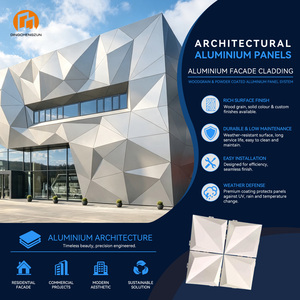
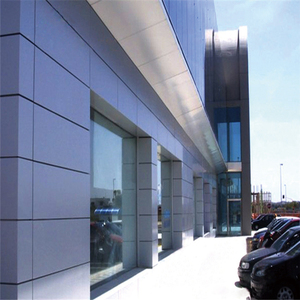
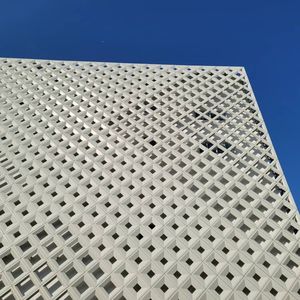
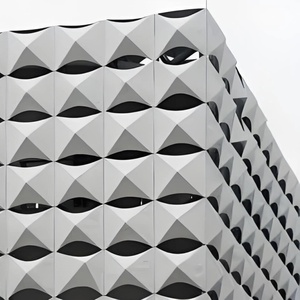
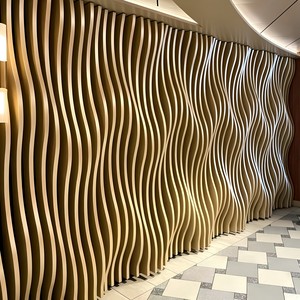
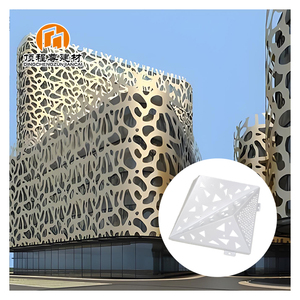
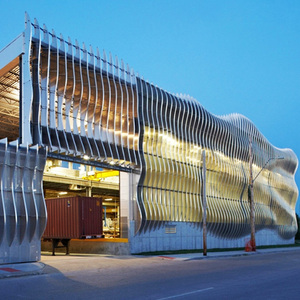
In modern commercial architecture and high-rise envelope engineering, structural fenestration performance cannot be compromised. As a global leading laminated glass supplier and exporter, our operations bridge the critical gap between raw substrate processing, precise interlayer lamination, custom structural framing, and field installation readiness. Operating under stringent ISO 9001:2015 and ISO 14001 environmental management frameworks, our state-of-the-art lamination cleanrooms feature dust-free Class 10,000 atmospheric control, ensuring zero micro-inclusions, bubbles, or edge optical distortions during PVB (Polyvinyl Butyral) and SGP (SentryGlas® Plus) assembly.
Unlike decentralized procurement models that separate glass cutting, tempering, laminating, and aluminum profile machining across multiple vendors, our vertically integrated plant handles extrusion-to-installation oversight under one roof. Every batch of tempered laminated safety glass undergoes forced-convective heat soak testing (HST) per EN 14179-1 to eliminate spontaneous breakage risks from nickel sulfide (NiS) inclusions before shipment. By combining custom low-iron float glass substrates, advanced Low-E sputter coatings, and acoustic interlayers, we supply international engineering contractors with certified facade systems optimized for high-wind loads, blast resistance, and thermal insulation targets.
Utilizing ionoplastic SGP interlayers, our structural laminated glass exhibits up to 5 times the tear strength and 100 times the rigidity of conventional PVB, ensuring post-breakage load retention for frameless glass fins and floor-to-ceiling glass railings.
Combining double-glazed insulated units with argon-filled gaps and acoustic PVB layers allows us to achieve Sound Transmission Class (STC) ratings above 42 dB while driving down solar heat gain coefficients (SHGC) below 0.25.
Export logistics require specialized protection. Our glass and aluminum panels are packed in IPPC-certified fumigated hardwood crates with moisture-absorbent desiccant, corner corner-guards, and vacuum-sealed plastic wrapping for transit safety.
The global demand for high-performance architectural glazing has driven rapid evolution in laminated glass interlayers. Historically utilized primarily for automobile windshield safety, architectural laminated glass now serves as a primary load-bearing structural component in modern sky-bridges, unitized curtain walls, structural glass canopies, and high-security building envelopes. Understanding the material properties of different interlayers is essential for facade consultants, structural engineers, and commercial procurement teams.
| Interlayer Type | Shear Modulus (20°C) | Tensile Strength | Primary Application | Post-Breakage Performance |
|---|---|---|---|---|
| Standard PVB | ~ 1.0 to 2.5 MPa | 20 MPa | Windows, Doors, Interior Partitions | Flexible; sags upon breakage |
| Acoustic PVB (Tri-layer) | ~ 0.5 to 1.2 MPa | 15 MPa | Airport Glazing, Urban High-Rises | High sound damping; non-structural |
| SGP (Ionoplastic) | ~ 300 to 400 MPa | 34.5 MPa | Glass Fins, Balustrades, Hurricane/Blast | Stiff & upright even when fully broken |
| EVA (Ethylene Vinyl Acetate) | ~ 2.0 to 5.0 MPa | 18 MPa | Exterior Encapsulation, BIPV, Smart Glass | High moisture resistance for open edges |
As detailed in the matrix above, selecting the appropriate lamination matrix directly impacts the mechanical behavior of the fenestration system under extreme environmental stress. For instance, SGP ionoplastic interlayers maintain structural integrity under severe hurricane wind forces (ASTM E1996 Large Missile Impact testing) and blast loads (ISO 16933 standard). When shattered, the high shear modulus prevents the glass sheet from falling out of the aluminum glazing pocket, rendering it the preferred choice for commercial overhead glazing, skylights, and public institutional infrastructure.
Global architectural specifications increasingly require Environmental Product Declarations (EPD) detailing embodied carbon metrics. Leading developers prioritize laminated glass suppliers that utilize electric-arc float glass furnaces, recycled glass cullet (>30%), and optimized thermal break aluminum profiles to meet LEED v4.1 and BREEAM certifications.
The integration of micro-thin solar photovoltaic film and electrochromic PDLC smart film directly into laminated glass sandwiches allows building envelopes to transform from passive thermal barriers into active energy-generating, light-modulating assets. Procurement orders for BIPV laminated facade panels are projected to grow by 18.5% CAGR through 2030.
Conventional clear float glass possesses an inherent greenish tint caused by iron oxide impurities, which becomes more pronounced in thick multi-layer laminated assemblies (e.g., 12mm + 1.52SGP + 12mm). Modern architectural specifications mandate low-iron float glass (iron content <0.015%), delivering exceptional light transmittance (>90%) and true-color neutrality for high-end retail fronts and museum facades.
To reduce expensive job-site labor and accelerate high-rise erection schedules, main contractors are shifting away from site-glazed stick systems toward off-site fabricated unitized curtain walls. Pre-glazed laminated panels assembled into thermally broken aluminum frames arrive on site ready for crane hoisting, dramatically improving weather-seal quality control.
Answers to critical technical queries raised by facade engineers, quantity surveyors, and international buyers.
Edge delamination occurs when moisture or chemical incompatibility degrades the interlayer bond. We prevent this by maintaining strict humidity controls (<25% RH) during cleanroom lay-up, controlling autoclave pressure/temperature parameters (135–145°C at 1.2 MPa), and using structural silicone sealants verified for neutral curing compatibility with PVB and SGP interlayers.
Standard monolithic glass suffers from a coincidence dip—a frequency range where sound waves pass through easily due to flexural resonance. Acoustic PVB features a soft center core engineered to damp mechanical vibrations, breaking sound wave transmission and boosting STC/OITC performance by up to 5–8 dB across traffic and aircraft noise bands.
Our architectural laminated glass and aluminum window/curtain wall systems are rigorously tested to meet global building codes, including SGCC (ANSI Z97.1), CE (EN 14449 / EN 12150), CSI Australia (AS/NZS 2208), and CSA A440 / AAMA-NAFS standards for air infiltration, water resistance, and structural integrity.
Annealed laminated glass can be cut with specialized dual-wheel scoring tables. However, once glass sheets are heat-strengthened or fully tempered prior to lamination, they **cannot** be cut, drilled, or notched without causing total shatter. All fabrication holes, beveling, and cutouts must be completed prior to the tempering and autoclaving process.
Upon final sign-off of CAD shop drawings and structural calculation submittals, production lead time for standard thermally broken laminated glass packages is typically 3 to 4 weeks. Ocean freight shipments are coordinated with major container lines to align floor-by-floor site delivery schedules seamlessly.
We utilize horizontal forced-convection tempering furnaces with continuous optical scanner monitoring. This ensures roller wave distortion is kept below 0.05 mm and edge lift is strictly controlled within 0.15 mm, yielding crystal-clear reflection even on large-format laminated glass panels up to 3000mm x 8000mm.
Connect with our technical sales team for expert advice on laminated glass selection, structural calculations, U-factor modeling, and competitive global export pricing tailored to your project schedule.