
Tested to ASTM, CSA A440, and SNI Standards for High-Velocity Wind Load, Monsoon Water Tightness, and Thermal Insulation in Tropical Environments
Eliminating supply chain gaps by integrating raw profile extrusion, thermal break insertion, CNC fabrication, high-performance glazing, and export crating under one roof.
Utilizing high-tensile 25% glass-fiber reinforced polyamide insulation bars to eliminate thermal bridging, cutting solar heat gain into interior spaces across tropical Jabodetabek climates.
Architectural surface finishes featuring 70% Kynar 500 resins, engineered to resist UV degradation, acid rain, and coastal salt-spray corrosion along North Jakarta maritime zones.
Multi-stage EPDM weather stripping combined with concealed pressure-equalized drainage tracks, certified to prevent water penetration at dynamic pressures exceeding 1500 Pa.
The construction sector across Greater Jakarta (Jabodetabek)—encompassing South Jakarta's commercial core (Sudirman Central Business District, Rasuna Said, Gatot Subroto), North Jakarta's waterfront developments (Pantai Indah Kapuk, Ancol), and sprawling satellite cities like BSD City, Alam Sutera, and Summarecon Serpong—is undergoing a structural transition toward energy-efficient, high-performance building envelopes.
As Indonesia advances its national sustainability standards under the Green Building Council Indonesia (GBCI) and enforces stricter Standar Nasional Indonesia (SNI) building safety codes, property developers, architectural firms, and main contractors can no longer rely on uninsulated, single-glazed aluminum profiles. The tropical climate of Java—characterized by year-round high solar irradiance, relative humidity levels averaging 75% to 90%, and severe tropical monsoon downpours—demands fenestration engineered specifically for tropical thermal insulation and structural resilience.
A. Thermal Heat Island Mitigation: Urban density in Jakarta creates localized microclimates where exterior temperatures frequently exceed 36°C. High-performance aluminum windows with Low-E double glazing (e.g., 6mm SolarBAN Low-E + 12mm Argon + 6mm Clear) reduce Solar Heat Gain Coefficients (SHGC) to below 0.25, dramatically lowering indoor air-conditioning HVAC loads by up to 32% annually.
B. Acoustic Isolation along Transit Corridors: With the expansion of the Jakarta MRT, LRT, and arterial highway networks, acoustic pollution has become a primary tenant grievance in mid-rise and high-rise developments. Specialized acoustic laminated glass make-ups (e.g., 6mm + 1.52mm PVB + 6mm) paired with multi-point perimeter locking systems yield Sound Transmission Class (STC) ratings exceeding 42 dB, insulating interior residential suites from heavy urban traffic.
C. Extreme Typhoon & Wind-Load Resistance: Monsoon storm fronts sweeping across the Java Sea subject high-rise structures to violent wind gusts. Chinese direct-factory aluminum profile systems are engineered using high-grade 6063-T6 architectural aluminum alloy with wall thicknesses ranging from 1.8mm for windows up to 3.0mm for structural curtain wall mullions, guaranteeing zero structural deformation under ultimate wind pressures of 3000 Pa.
To understand why imported Chinese wholesale aluminum windows out-perform localized generic window extrusions in Jakarta, specifiers must evaluate the microscopic material composition and structural mechanics of thermal break fenestration.
Aluminum is inherently a highly conductive material ($K \approx 200 \text{ W/m}\cdot\text{K}$). Uninsulated aluminum frames act as thermal bridges, radiating exterior heat directly into air-conditioned interior spaces. Our thermal break systems utilize precision-knurled slotting to insert imported **PA66-GF25 polyamide insulation strips** ($K \approx 0.3 \text{ W/m}\cdot\text{K}$). The 25% structural glass fiber reinforcement ensures that the thermal barrier maintains identical structural rigidity, shear strength, and coefficient of thermal expansion as the surrounding aluminum frame under peak tropical heat.
Projects constructed in North Jakarta (PIK 1 & 2, Pluit, Tanjung Priok) are subjected to high airborne salinity and aggressive atmospheric oxidation. Standard powder-coated finishes degrade within 3 to 5 years under intense UV and marine air, exhibiting chalking, fading, and micro-cracking.
We apply **PVDF (Polyvinylidene Fluoride) 3-Coat Fluoropolymer Coatings** containing 70% Kynar 500 resin. Baked at high temperatures over a chromate conversion primer, this coating system achieves AAMA 2605 performance specifications, offering:
| Performance Specification | Generic Local Aluminum Window | China Export Architectural Thermal Break | Jakarta Market Relevance |
|---|---|---|---|
| Profile Alloy & Temper | 6063-T5 (1.2mm - 1.4mm wall) | 6063-T6 / 6061-T6 (1.8mm - 3.0mm wall) | Higher wind resistance for 20+ story towers |
| Thermal Isolation | Non-Thermal Break (Solid Aluminum) | PA66-GF25 Polyamide Thermal Barrier | Reduces interior HVAC electrical costs by ~30% |
| Water Tightness Rating | 350 Pa - 500 Pa | 1000 Pa - 1500 Pa (ASTM E331 / CSA A440) | Prevents water leakage during violent monsoons |
| Surface Finish Spec | Standard Anodized / Basic Powder Coating | 70% Kynar 500 PVDF 3-Coat (AAMA 2605) | Prevents salt corrosion in North Jakarta / PIK |
| Glass Configuration | Single 5mm / 6mm Clear Float | Double Low-E (6mm + 12Ar + 6mm) / Laminated | Blocks infrared heat and urban traffic noise |
| Acoustic Rating (STC) | 25 dB - 28 dB | 38 dB - 45 dB | Crucial for transit-oriented CBD developments |
As a specialized China wholesale exporter serving Indonesia, our architectural technical team collaborates with project managers to tailor fenestration packages for specific structural typologies across Jabodetabek:
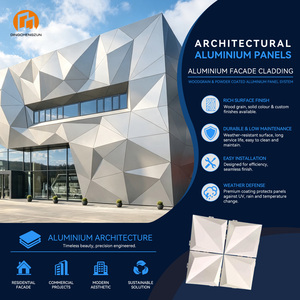
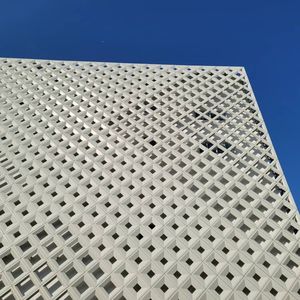
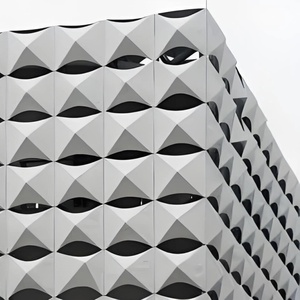
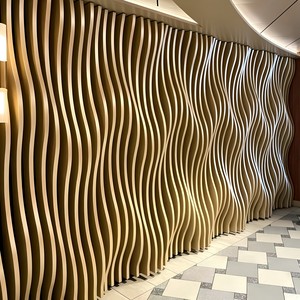
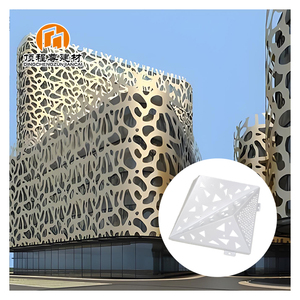
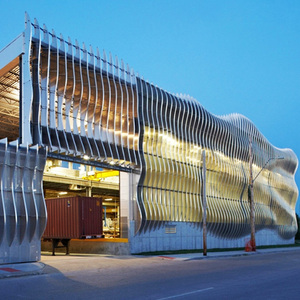
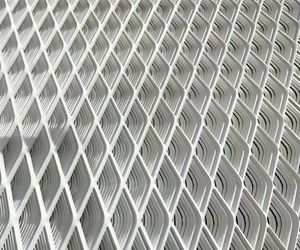
High-end residential projects in coastal locations require floor-to-ceiling panoramic views without sacrificing thermal comfort or storm defense. We supply heavy-duty aluminum lifting-sliding doors capable of accepting sash weights up to 400kg, paired with custom 3D faceted aluminum wall cladding and perforated expanded metal mesh facades to provide sun shading and structural elegance.
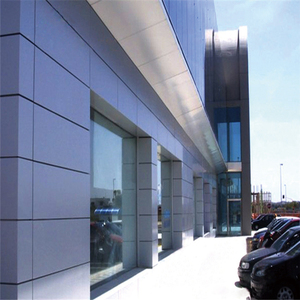
Commercial skyscrapers demand continuous unitized curtain wall systems or stick-built pressure-plate curtain walls. We export pre-fabricated aluminum curtain wall frame profiles, integrated with high-performance spandrel panels and insulated glass units, minimizing on-site crane hoisting hours and accelerating tower enclosure cycles.
Modern township developers require standardized, high-volume production of casement windows, awning windows, and sliding balcony doors. By coordinating bulk shipping directly to Tanjung Priok Port, developers achieve significant cost efficiency while maintaining strict aesthetic uniformity across multi-phase residential clusters.
Procuring direct from our China manufacturing complex guarantees structural integrity, schedule predictability, and seamless import compliance for Indonesian contractors:
Our in-house facade engineering team prepares detailed BIM models, shop drawings, wind-load calculations, and drainage elevation details for consultant sign-off prior to extrusion cutting.
Every batch undergoes rigid QC checks: frame diagonal squareness testing, corner crimp torque checks, EPDM seal elasticity audits, and glass unit dew-point verifications.
Windows and facade panels are packed with protective film, foam corner guards, and sealed inside fumigated IPPC steel-reinforced wooden crates engineered to prevent sea-freight damage.
We assist Indonesian buyers with full export documentation including Commercial Invoice, Packing List, Bill of Lading, Certificate of Origin (Form E for ASEAN-China tariff concessions), and SNI test reports.
Direct answers for developers, architects, and procurement officers importing aluminum windows and facade panels into Indonesia.
Once shop drawings are signed off and sample mock-ups are approved, factory production takes approximately 20 to 30 days depending on project volume. Direct sea freight container transit from Southern China ports (Guangzhou/Shenzhen/Ningbo) to Tanjung Priok, Jakarta typically takes only 7 to 12 days.
Our aluminum extrusion profile series are engineered in accordance with international ASTM E330, AAMA/WDMA/CSA 101/I.S.2/A440, and European EN standards. We supply full structural calculations stamped by certified facade engineers to ensure your window and curtain wall packages exceed local Indonesian SNI wind-pressure load criteria for high-rise elevations.
Yes. We offer complete custom matching for RAL colors, anodic hard-coat finishes, specialized metallic textures, and realistic sublimated wood-grain patterns. All exterior-facing finishes meet AAMA 2604 or AAMA 2605 (PVDF Kynar 500) specifications for UV and salt-spray resistance.
As a certified Chinese exporter, we provide the ASEAN-China Free Trade Area Preference Criterion Form E Certificate of Origin. This allows qualified Indonesian importers to claim preferential import duty tariffs under the ACFTA agreement at Tanjung Priok Customs.
Yes. In addition to delivering factory-glazed window and door assemblies engineered for rapid floor-by-floor installation, we provide detailed installation shop manuals, 3D anchorage detail schematics, and video technical oversight. For major commercial developments, we can dispatch field technical advisors to direct local installation crews on-site in Jabodetabek.
For standard architectural profiles and window series, our MOQ starts at 100 square meters. For custom aluminum facade cladding panels, perforated metal screens, or customized extrusion dies, our team accommodates both boutique luxury villa projects and multi-tower commercial developments.
Send us your architectural drawings, elevation schedules, or window specifications. Our engineering estimation team will issue structural assessments, glass performance options, and a direct factory wholesale quote within 24 hours.
Get a Quote