
Engineered to withstand extreme tropical humidity, monsoon wind pressures, and salt-spray corrosion across Sri Lanka's urban and coastal landscapes.
A comprehensive analysis for architects, structural consultants, and commercial developers evaluating fenestration integrity along the Indian Ocean rim.
Sri Lanka's coastal economic hubs—including Colombo 01, Colombo 03, Hambantota, and Galle—expose commercial entrance frames to extreme atmospheric salt concentrations and relative humidity exceeding 85% year-round. Standard anodized or low-tier powder coatings rapidly experience filiform corrosion, pitting, and structural seal degradation.
Our engineered commercial glass entrance frames leverage 6063-T6 architectural grade aluminum alloys treated with a 25-micron pretreatment anodization or electrostatically applied 70% Kynar 500 PVDF (Polyvinylidene Fluoride) coatings. This ensures zero coating delamination and full compliance with AAMA 2605 standards after 4,000 hours of continuous salt fog exposure.
During the South-West and North-East monsoons, Sri Lanka's high-rise storefronts and lobby entrances encounter gust wind velocities exceeding 160 km/h accompanied by violent horizontal rainfall. Conventional commercial framing systems frequently fail at frame-to-glass structural silicone joints and sill weep systems.
Our factory-assembled commercial entrance framing utilizes pressure-equalized rain-screen principles with continuous EPDM dual-gasket seals and internal drainage channels. Tested to ASTM E331 water penetration protocols at dynamic pressures up to 720 Pa, these frames guarantee complete weather-tightness without compromising minimal-sightline architectural aesthetics.
In high-ambient tropical zones like Sri Lanka, solar radiation striking uninsulated commercial entrance frames leads to severe thermal bridging. Heat conducts rapidly through standard aluminum extrusions into air-conditioned commercial lobbies, placing massive operational loads on building HVAC infrastructure.
Our commercial entrance solutions incorporate precision-engineered PA66 GF25 (25% glass fiber reinforced polyamide) thermal break strips. By isolating the outer and inner aluminum profiles, we reduce the total frame U-value to as low as 1.2 W/m²·K. Combined with Low-E double-glazed units (DGU), our systems reduce commercial cooling loads by up to 28%, significantly assisting projects pursuing GREENSL® or LEED Gold certifications.
Tailored structural framing and curtain wall solutions optimized for major commercial zones across the island.
High-traffic Grade-A office towers, luxury retail centers, and banking headquarters require heavy-duty narrow and medium stile glass entrance frames. Our automated slide and swing door entrance frames accommodate over 500,000 annual cycles while providing structural resistance against urban wind shear.
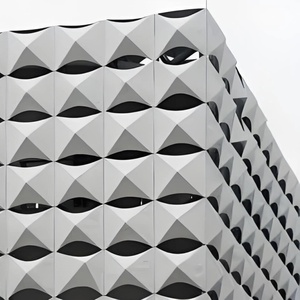
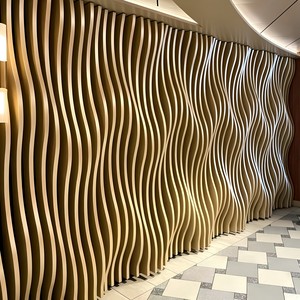
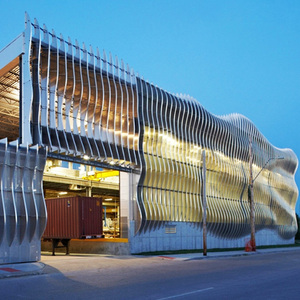
Five-star beachfront hospitality developments demand uninterrupted ocean sightlines combined with absolute corrosion protection. We supply warm wood-grain sublimated aluminum frames and kinetic perforated facades that resist extreme ocean salt-spray without peeling or discoloration.
Logistics complexes, pharmaceutical facilities, and apparel manufacturing plants require robust, high-durability storefront framing and wide-stile commercial entrance doors. Our systems provide industrial-grade impact resistance and seamless integration with biometric access control systems.
With energy tariffs increasing across Sri Lanka, commercial building owners are prioritizing thermally broken storefront frames and Low-E double glazing to lower operational expenses. Project tenders now explicitly stipulate U-factor compliance and environmental product declarations (EPDs).
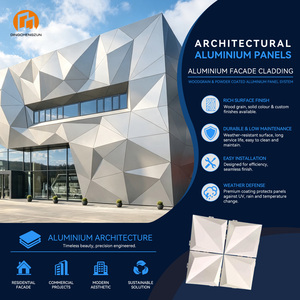
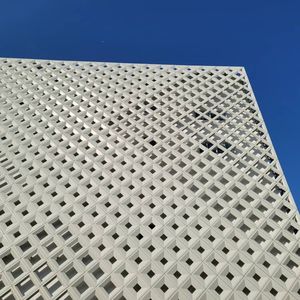
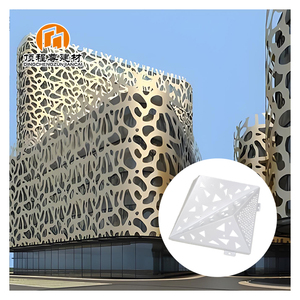
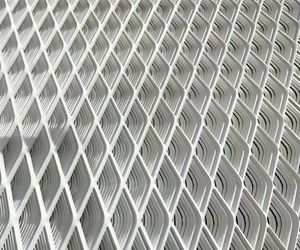
To combat intense afternoon solar glare without relying on interior blinds, modern architects in Colombo are specifying exterior perforated aluminum mesh and 3D faceted cladding systems to serve as primary solar heat gain barriers.
Commercial real estate developers are actively retrofitting 1990s-era commercial buildings in Fort and Kollupitiya with modern dry-glazed curtain wall systems and thermally improved storefront frames to attract high-value multinational corporate tenants.
Due to tight urban site footprints and monsoon schedule constraints in Sri Lanka, main contractors are shifting toward pre-engineered, factory-glazed storefront and entrance modules that minimize field labor and shorten installation timelines.
Direct technical comparison for structural engineers, facade consultants, and procurement directors.
| System Type | Frame Depth | Alloy & Temper | Air Infiltration (ASTM E283) | Water Resistance (ASTM E331) | Recommended Application |
|---|---|---|---|---|---|
| Heavy-Duty Storefront Framing | 101.6 mm / 114.3 mm | 6063-T6 Architectural | < 0.06 cfm/ft² @ 6.24 psf | 720 Pa (15.0 psf) Static | Bank Lobbies, Shopping Malls, High-Traffic Entrances |
| Thermally Broken Entrance Frame | 127.0 mm / 150.0 mm | 6063-T6 / PA66 GF25 | < 0.04 cfm/ft² @ 6.24 psf | 800 Pa (16.7 psf) Static | Grade-A Corporate Towers, Luxury Hotel Foyers |
| Structural Curtain Wall Entrance | 150.0 mm – 225.0 mm | 6061-T6 Heavy Structural | < 0.01 cfm/ft² @ 6.24 psf | 1000 Pa (20.9 psf) Dynamic | Atrium Entrances, Multi-Story Glass Enclosures |
| Hurricane & Wind-Resistant Frame | 114.3 mm Reinforced | 6063-T6 with Steel Core | < 0.03 cfm/ft² @ 6.24 psf | 1200 Pa (25.0 psf) Cyclic | Coastal Resorts, High-Exposure Marine Structures |
Eliminating procurement fragmentation through vertically integrated engineering, fabrication, and quality control.
We operate primary extrusion presses capable of producing complex custom aluminum profiles up to 300mm cross-section, ensuring structural integrity and precise tolerance control for customized commercial openings.
Every manufacturing batch undergoes air permeability, static water resistance, corner shear strength, and coating adhesion testing under accredited ISO 9001 quality management procedures prior to overseas crating.
We provide specialized ocean freight packaging—including moisture-barrier wrapping and reinforced steel-framed wooden crates—ensuring safe containerized arrival at Colombo Port (CKY/SLCMB) or Hambantota Port.
Direct answers regarding international supply, customization, shipping, and technical standards for commercial projects in Sri Lanka.
Standard fabrication of custom commercial glass entrance frames and architectural cladding panels takes approximately 3 to 4 weeks following final shop drawing approval and color match confirmation. Shipping via direct sea freight from our manufacturing facilities to Colombo Port typically requires 14 to 18 days. We advise Sri Lankan contractors to allocate a total lead time of 6 to 8 weeks from tender signing to site delivery.
Yes. All shipped profiles and entrance systems are accompanied by detailed Commercial Invoices, HS Code classifications (typically under HS 7610.10 for aluminum doors, windows, and frames), Certificates of Origin, and packing lists compliant with Sri Lanka Customs Department requirements. We work directly with your appointed clearing agents in Colombo to facilitate fast customs clearance.
For coastal marine zones in Sri Lanka, we specify 3-coat 70% Kynar 500 PVDF fluoropolymer finishes or Class 1 (25-micron) anodized finishes. These surface treatments prevent oxidation, color fading, and salt-spray pitting under ISO 12944 C5-M atmospheric classifications, backed by comprehensive factory warranties up to 20 years.
Absolutely. Our commercial entrance profiles are factory-machined with internal reinforcement plates, wiring raceways, and pre-drilled mounting preparations to accept leading international automatic sliding or swing door mechanisms (such as Dormakaba, Geze, or Besam), as well as electric strikes, magnetic locks, and biometric keypads.
While non-thermally broken frames are suitable for interior commercial partitions or unconditioned spaces, thermally broken frames with PA66 polyamide insulation strips are strongly recommended for air-conditioned commercial exterior entrances. Thermally broken frames eliminate outer-to-inner frame heat transfer, preventing frame condensation and reducing HVAC cooling expenditure in Sri Lanka's hot tropical climate.
Yes. Our in-house facade engineering team prepares comprehensive AutoCad shop drawings, 3D BIM models, and structural calculation packages verifying wind load deflection limits (L/175 or L/240), dead load capacities, and thermal performance values tailored specifically to Sri Lanka structural building codes.
Connect directly with our senior architectural engineering team. We provide rapid price estimations, structural calculations, and custom sample kits for commercial projects across Sri Lanka.