
Tested and certified building envelope solutions tailored for commercial, institutional, and high-rise developments across Nairobi, Mombasa, and regional Kenya.
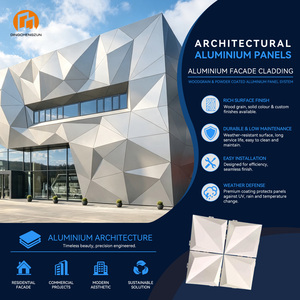
Architectural sculptural facade system integrating insulated fire-rated glass panels with dynamic 3D aluminum framing for modern high-rise exteriors.
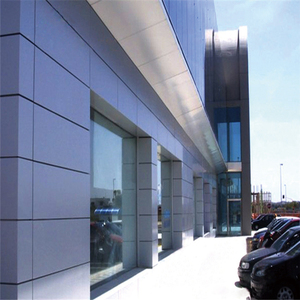
4mm PVDF coated fire-resistant composite panels combined with thermal-break fire barrier glazing for severe weather and urban heat isolation.
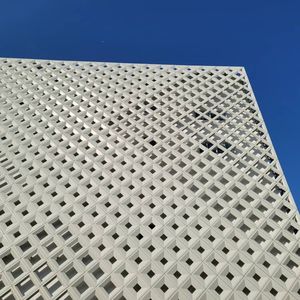
Custom perforated aluminum wall cladding engineered for integration with interior fire doors, exit corridors, and external curtain wall assemblies.
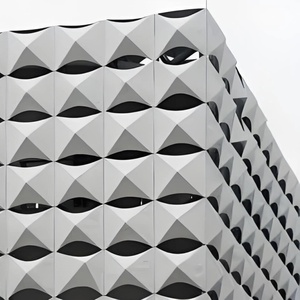
Eco-friendly, high-integrity fire-resistant glass curtain walls designed specifically for commercial shopping malls and public institutional complexes.
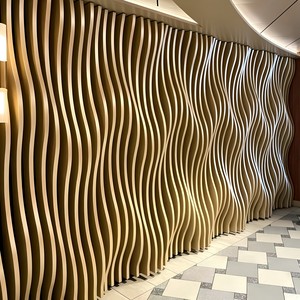
Thermally broken curved aluminum profiles fused with multi-layer intumescent fire glass for aesthetic interior partitions and exterior facades.
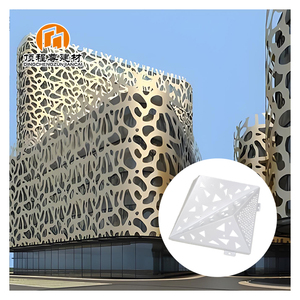
Modern architectural acoustic and fire barrier glazing panels ideal for luxury hotel facades, corporate headquarters, and high-density commercial towers.
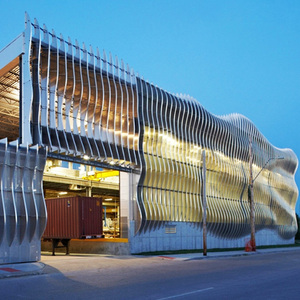
Kinetic structural aluminum profile system engineered with fire-rated vision glass inserts for industrial parks and modern high-tech centers.
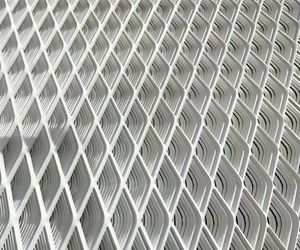
Heavy-duty outdoor decorative mesh integrated with fire-rated clear safety glass for enhanced ventilation, solar control, and structural fire protection.
As urbanization accelerates across East Africa, Kenya has firmly established itself as the regional hub for modern architectural innovation, high-rise commercial developments, and large-scale public infrastructure projects. From the bustling commercial centers of Upper Hill and Westlands in Nairobi to the expansive industrial parks of Machakos and the coastal hospitality properties in Mombasa, structural integrity and life safety standards have risen to the forefront of architectural engineering. Among the critical components of modern building envelope design, fire-rated glass and integrated fireproof curtain wall systems represent the primary line of defense against structural fire propagation, radiant heat transfer, and toxic smoke inundation.
This technical white paper explores the advanced engineering principles, international test standards, localized environmental considerations, and material compositions required when specifying specialized fire glass and fire-rated aluminum framing systems for projects throughout Kenya. As a global manufacturer and direct exporter possessing decades of precision extrusion, multi-layer glazing, and structural testing control, our goal is to supply Kenyan developers, structural consultants, facade contractors, and project managers with verified technical clarity and actionable information gain.
Fire glass must never be evaluated in isolation. A fire-rated glazing assembly is a holistic system comprising the intumescent or monolithic glass pane, ceramic setting blocks, fireproof intumescent gaskets, steel-reinforced structural aluminum framing, and perimeter expansion seals. Failure of any single component under high thermal stress compromises the entire compartmentation rating.
In international building codes—including British Standards (BS 476), European Norms (EN 1364 / EN 1634), and National Fire Protection Association guidelines (NFPA 80)—fire safety glass is categorized according to three distinct performance parameters. Selecting the appropriate classification depends heavily on the designated fire compartmentation plan, occupant evacuation routes, and proximity to adjacent structures under the National Construction Authority (NCA) regulations of Kenya.
Prevents the physical passage of flames, hot gases, and smoke from one compartment to another. Maintains structural stability under fire exposure without forming openings or fissures, though it permits radiant heat pass-through.
Provides full structural flame and smoke integrity (Class E) while significantly reducing the transmission of dangerous radiant heat to the unexposed side, limiting heat flux to less than 15 kW/m² at a distance of 1 meter.
The highest level of fire barrier performance. Maintains physical integrity against flames and smoke while blocking heat transfer completely, keeping the average temperature rise on the unexposed glass face below 140°C above ambient levels.
Achieving Class EI thermal insulation for 30, 60, 90, or 120 minutes requires specialized optical manufacturing techniques. Traditional single-sheet tempered glass rapidly fractures when exposed to uneven thermal gradients exceeding 250°C. To overcome this limitation, our manufacturing facilities utilize two primary advanced fire glass technology streams:
Exporting architectural glass systems to Kenya requires deep awareness of regional climatic, geological, and operational conditions. A solution engineered solely for temperate European or North American climates may underperform if not adjusted for East Africa’s specific environmental profile.
Nairobi resides near the equator at an elevation of approximately 1,790 meters above sea level. This high altitude results in elevated intense ultraviolet (UV) radiation levels and drastic diurnal temperature swings between daylight sun exposure and cool night air. Standard intumescent interlayers manufactured without specialized UV-stabilizing agents risk yellowing, delamination, or micro-bubbling over prolonged exposure.
Our fire glass formulations for export to Kenya incorporate UV-blocking surface coatings and aliphatic polymer additives within the intumescent matrix, ensuring 99.8% UV stability and maintaining optical clarity over a 25-year design lifespan without compromising fire rating integrity.
Projects constructed along the Kenyan coast—such as marine facilities, luxury resort complexes, and commercial ports in Mombasa, Kilifi, and Malindi—are exposed to high humidity and salt-laden airborne chlorides. Standard aluminum framing and unsealed glass edges rapidly experience oxidation, edge sealant breakdown, and perimeter seal degradation.
To combat marine atmospheric corrosion, all aluminum profiles in our fire glass curtain walls and door frames undergo a rigorous 25-micron PVDF (Polyvinylidene Fluoride) fluoropolymer anodizing or powder-coating treatment compliant with Qualicoat Class 2 standards. Furthermore, edge seals on our double-glazed insulating fire units utilize dual-sealed structural silicone and polyisobutylene secondary barriers resistant to moisture ingress.
Parts of Kenya situated within or adjacent to the Great Rift Valley experience minor to moderate seismic tremors. Furthermore, modern high-rise developments in Nairobi’s Upper Hill commercial corridor must withstand elevated wind pressures exceeding 1.8 kPa at top floor elevations.
Our curtain wall and fire window frame extrusions are reinforced with internal structural steel sleeves and heavy-duty corner keys. Engineered with sub-frame thermal breaks and flexible EPDM gaskets, these systems accommodate inter-story structural drift and dynamic deflection without transferring mechanical stress directly to the brittle fire glass panes.
Importing structural glazing and fire safe products into Kenya requires strict adherence to statutory clearing and quality verification frameworks. Navigating these requirements smoothly guarantees project delivery schedules are met without costly port delays at Kilindini Harbour, Mombasa.
The Kenya Bureau of Standards (KEBS) mandates that all structural construction materials imported into Kenya possess a Certificate of Conformity (CoC) issued by an authorized inspection agency prior to shipment. Our export department manages full compliance documentation, including independent laboratory test reports (BS 476 Part 22, EN 1364-1, ISO 834), physical factory audits, and pre-shipment container inspection coordination.
Our packaging processes utilize reinforced, climate-sealed, moisture-proof IP65 wooden crates equipped with heavy-duty shock absorbers, corner protectors, and desiccant packs. This guarantees that delicate intumescent glass units survive multi-week ocean transport and inland transit along the Standard Gauge Railway (SGR) or Northern Corridor highway to Nairobi and beyond without moisture contamination or edge damage.
To assist architectural specifiers, facade engineers, and quantity surveyors in selecting the optimal configuration for their upcoming projects in Kenya, the table below outlines core performance indicators across our primary product series:
| System Classification | Fire Rating (Mins) | Glazing Composition | Sound Reduction (Rw) | U-Value (W/m²K) | Primary Kenyan Application |
|---|---|---|---|---|---|
| Series FG-E60 Monolithic | E 30 / E 60 | 6mm - 10mm Borosilicate Single Pane | 32 dB | 5.6 | External Vision Windows & Smoke Barriers |
| Series FG-EI30 Hydrogel | EI 30 / EW 30 | 15mm Multi-Layered Intumescent Hydrogel | 38 dB | 2.8 | Office Corridor Partitions & Fire Doors |
| Series FG-EI60 Dual Barrier | EI 60 / EW 60 | 23mm Multi-Layered Intumescent Hydrogel | 41 dB | 2.2 | Stairwell Enclosures & Elevator Lobbies |
| Series FG-EI120 Premium Insulated | EI 120 / EW 120 | 42mm Multi-Layer Double Insulating Unit | 45 dB | 1.4 | High-Rise Exterior Curtain Walls & Server Rooms |
| Series FG-ACM Composite Wall | Class A2 / B1 | 4mm PVDF Aluminum Honeycomb / Fire Core | 28 dB | N/A | High-Rise Spandrel & Outer Facade Cladding |
Building upon the deep engineering heritage of Norstar’s vertically integrated manufacturing facility, we offer a comprehensive single-source procurement model. Divided accountability between glass suppliers, aluminum extruders, and installation teams frequently leads to project failures. By controlling every stage under one roof, we eliminate operational friction:
We extrude architectural-grade 6063-T6 aluminum profiles in-house, cutting, milling, and slotting them on multi-axis CNC centers to match precise site shop drawings.
Intumescent hydrogel pouring and glass assembly occur inside ISO Class 7 dust-free cleanrooms, preventing optical inclusions, bubbles, or visual distortion.
Production lots undergo continuous quality assurance tests, including furnace fire testing to ISO 834 curves, acoustic chamber analysis, and wind load deflection testing.
Whether you are designing a high-profile commercial tower in Westlands, retrofitting a public hospital in Kisumu, or constructing a industrial warehouse in the Athi River Export Processing Zone (EPZ), our engineering team provides end-to-end support—from initial wind load calculations and shop drawing submittals to customized export logistics.
Imports into Kenya require a Pre-Export Verification of Conformity (PVoC) Certificate of Conformity (CoC) issued by accredited inspection agencies (such as SGS, Intertek, or Bureau Veritas) before loading at the port of origin. We supply all supporting laboratory test certificates (BS 476, EN 1364, UL) and handle inspection coordination on your behalf.
Multi-layer intumescent fire glass (Class EI) and toughened monolithic fire glass cannot be cut, drilled, or edge-trimmed on site. Attempting to cut intumescent glass breaks the peripheral seal, causing the hydrogel layer to deteriorate. All glass units must be manufactured to precise finished dimensions based on approved shop drawings prior to export.
Our export-grade fire glass incorporates high-performance UV-resistant interlayers and outer low-emissivity (Low-E) coatings. This construction prevents solar discoloration, stops interlayers from clouding, and lowers overall solar heat gain coefficients (SHGC), helping projects earn EDGE and LEED green building certification in East Africa.
Following shop drawing sign-off and order confirmation, fabrication typically takes 15 to 25 days depending on project volume. Ocean freight transit from our main export port to Mombasa Harbour takes approximately 20 to 28 days. Customs clearance and onward rail transport via SGR to the Nairobi ICD usually adds 5 to 7 days.
Yes. We engineer stick-built and unitized fire-rated aluminum curtain wall framing systems that integrate smoothly with standard non-fire architectural facades, matching exterior sightlines, mullion widths, and anodized or powder-coated visual finishes perfectly.
Connect directly with our senior structural engineering and technical export team. We provide tender reviews, structural calculations, sample submittals, and factory-direct pricing for projects across Kenya and East Africa.
Contact Us