
High-specification fenestration systems certified for hyper-arid climates, extreme sandstorm pressures, and GSAS green building benchmarks across Doha developments.
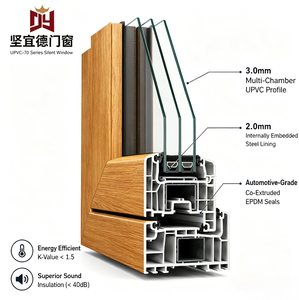
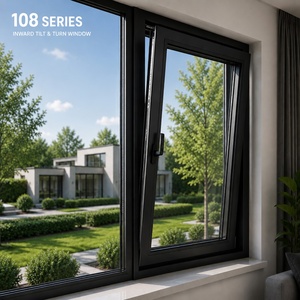
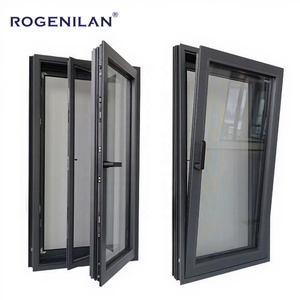
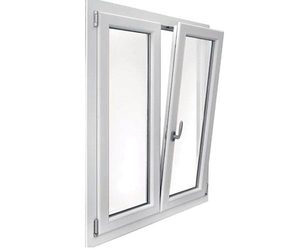
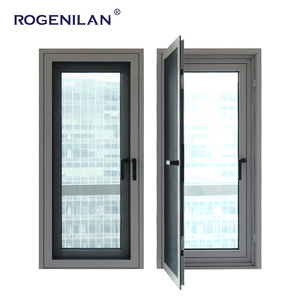
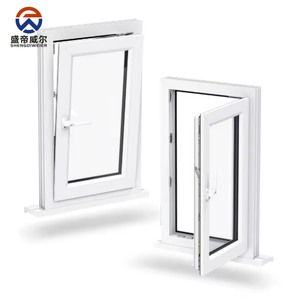
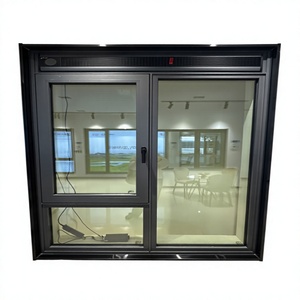
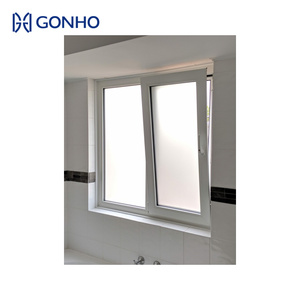
The State of Qatar has established itself as a global benchmark for ambitious infrastructural architectural engineering. Driven by the Qatar National Vision 2030, real estate master plans in urban centers such as Doha, Lusail, and West Bay require building envelope solutions capable of mitigating one of the harshest ambient environments on Earth. In Doha, exterior ambient surface temperatures routinely exceed 50°C during summer peak cycles, accompanied by intense ultraviolet irradiation, sudden sandstorms (Haboobs), and high ambient humidity along the Arabian Gulf coastline. Under these demanding conditions, standard window fenestration fails prematurely—resulting in severe thermal bridging, seal degradation, elevated HVAC power consumption, and interior dust infiltration.
To overcome these architectural challenges, specifying engineers, tier-1 contractors, and real estate developers are increasingly abandoning traditional sliding fenestration in favor of high-performance Tilt and Turn Windows. Combining dual-action European mechanics with multi-chambered thermal break aluminum profiles and high-density UPVC extrusions, tilt and turn systems represent the pinnacle of modern building envelope design. This comprehensive technical whitepaper analyzes the procurement criteria, structural mechanics, localized performance dynamics, and factory selection protocols for sourcing tilt windows specifically engineered for the Doha market.
Tailored fenestration engineering suited for Qatar's diverse urban zones and architectural master plans.
High-rise residential and commercial towers in West Bay face extreme elevation wind pressures and severe solar radiation. Double-sash and four-seal thermally broken tilt-turn windows engineered with structural silicone glazing (SSG) absorb building sway dynamic deflections while offering tilt micro-ventilation without exposing luxury interiors to turbulent high-altitude wind gusts.
Lusail City mandates rigorous environmental compliance under the Global Sustainability Assessment System (GSAS). Our triple-glazed Low-E vinyl and aluminum tilt-turn series deliver Solar Heat Gain Coefficients (SHGC) under 0.20 and overall U-factors under 0.85 W/m²K, enabling master developers to easily secure 4-Star and 5-Star GSAS certification ratings.
Waterfront residential estates located on The Pearl require fenestration impervious to marine salt-spray corrosion. Multi-chamber UPVC and PVDF-coated aluminum tilt windows incorporate 316 marine-grade stainless steel multi-point hardware locks and continuous EADM perimeter seals that eliminate moisture ingress and fine airborne dust.
Specifying fenestration for government, institutional, and commercial tenders across Doha requires strict adherence to the Qatar Construction Specifications (QCS 2014 / QCS 2018) alongside international engineering standards including ASTM, AAMA/WDMA/CSA 101/I.S.2/A440, and EN 14351-1. Below is an engineering comparison of fenestration framing materials operating in Doha's thermal envelope conditions:
| Performance Metric | Standard Non-Thermal Aluminum | High-Density Tropical UPVC | PA66 Thermally Broken Aluminum |
|---|---|---|---|
| Frame Thermal Conductivity (K-Value) | High (> 160 W/mK) - Poor | Ultra-Low (0.17 W/mK) - Superior | Controlled (1.2 - 2.5 W/mK) - Excellent |
| Structural Wind Load Capacity | Up to 2400 Pa | Up to 3200 Pa (Steel Reinforced) | Up to 4500+ Pa (High-Rise Grade) |
| Acoustic Isolation (STC / OITC) | 28 - 32 dB (Basic) | 40 - 45 dB (Triple Glazed) | 42 - 48 dB (Acoustic Laminate) |
| Dust Infiltration Rate (ASTM E283) | 0.30 cfm/ft² | < 0.03 cfm/ft² (Four-Seal) | < 0.02 cfm/ft² (Compression Seal) |
| Coastal Marine Salt Fog Resistance | Prone to Oxidation | 100% Corrosion Proof | PVDF / Anodized Finish Resistant |
| Doha GSAS Rating Contribution | Non-Compliant | High Energy Credit Score | Optimal High-Rise Spec Compliance |
When selecting a factory supplier for bulk procurement in Doha, developers must look beyond superficial aesthetics to evaluate manufacturing depth, engineering rigor, and single-source accountability. Divided procurement models—where extrusions are purchased from one mill, insulating glass units (IGU) from another, and assembly completed by third-party fabricators—frequently fail due to inconsistent quality control and fragmented warranty coverage.
As a global fenestration manufacturer with over 35 years of dedicated extrusion, engineering, and installation expertise, our production methodology eliminates third-party variance through 100% vertical integration:
Direct technical and commercial answers for architects, contractors, and procurement directors in Qatar.
Yes. Our complete product lineup of thermally broken aluminum and high-density UPVC tilt-and-turn windows strictly complies with QCS 2014/2018 guidelines. We furnish full submittal documentation including independent laboratory test reports for U-Factor, SHGC, air infiltration, acoustic isolation (STC), and wind load structural resistance from NFRC, CE, and CSA certified facilities.
Unlike sliding windows that rely on brush weatherstripping (which degrades under friction and permits fine dust passage), tilt and turn windows utilize continuous, multi-chambered EPDM compression gaskets. When closed via the perimeter multi-point locking handle, the sash is tightly drawn against the outer frame, creating an airtight seal with air infiltration rates below 0.02 cfm/ft².
Upon final shop drawing sign-off and color sample approval, manufacturing generally requires 25 to 35 days depending on project volume. Direct containerized ocean freight from our export berth to Hamad Port, Doha takes approximately 18 to 24 days. We provide complete factory-to-site logistical orchestration, including custom crating, floor-by-floor site loading plans, and customs documentation.
Absolutely. We operate advanced automated powder coating lines capable of applying AkzoNobel and PPG fluorocarbon (PVDF) finishes in any standard RAL shade, textured metallic finish, or custom anodized finish. Our architectural coatings are specifically formulated to withstand intense Gulf UV exposure without chalking, fading, or cracking over 25+ year operational lifespans.
Doha's ambient temperatures swing dramatically between winter nights and summer midday peaks. Our aluminum profiles feature 25% glass-fiber reinforced polyamide (PA66 GF25) thermal breaks that match the thermal expansion coefficient of aluminum extrusions. This prevents internal stress warping, sash misalignment, or glass seal failure under severe solar heating.
We recommend a triple-glazed glass configuration consisting of 6mm Spectrally Selective Low-E Tempered Outer Pane + 12mm Argon Gas Space with Warm Edge Spacer + 6mm Clear Float Middle Pane + 12mm Argon Space + 6mm Clear / Laminated Inner Pane. This configuration yields a Solar Heat Gain Coefficient (SHGC) as low as 0.18 while maintaining light transmittance above 60%.
Yes. Our internal engineering department provides comprehensive CAD shop drawings, 3D BIM models, elevation schedules, anchorage structural calculations signed by licensed structural engineers, thermal modeling, and physical material samples required for consultant and municipal approvals.
No. We utilize heavy-duty European standard hardware systems (Roto, Siegenia, or GU compliant) manufactured from corrosion-resistant zinc-alloy or stainless steel. Hardware components feature 3D adjustment pins, allowing site maintenance technicians to easily adjust sash clearance with a simple Allen key without removing the window frame.
Planning a residential tower, commercial development, or villa estate in Doha, Lusail, or surrounding Qatar markets? Connect directly with our fenestration engineering team for technical submittals, factory pricing, and customized shop drawings.
Send an Inquiry