
Explore precision-engineered glass railing components, aluminum facade cladding, kinetic panels, and curtain wall profiles engineered for high-density, coastal urban environments.
The Mumbai Metropolitan Region (MMR) represents one of the world's most demanding urban coastal built environments. Characterized by high-density vertical development—ranging from super-tall luxury residential towers in Worli and Lower Parel to expansive commercial hubs in Bandra-Kurla Complex (BKC) and Thane—the demand for high-performance frameless glass railings, aluminum architectural balustrades, and unitized curtain wall cladding has escalated exponentially. However, procurement managers, structural consultants, and facade architects face unique microclimatic and structural challenges specific to Mumbai's geography.
First, Mumbai experiences severe monsoonal weather conditions, with torrential seasonal rains and aggressive high-velocity wind pressures governed by IS 875 (Part 3) design standards. At heights exceeding 100 meters above sea level, wind loads frequently reach up to 2.5 kPa to 3.0 kPa. Second, the heavy airborne saline concentration along the Arabian Sea coastline induces accelerated galvanic corrosion on sub-standard hardware, making marine-grade SS 316 / 316L stainless steel and heavy anodized T6-grade aluminum base shoe channels mandatory. Sourcing from accredited manufacturers capable of providing verified finite element analysis (FEA) and certified structural testing is essential to ensure long-term occupant safety and zero-maintenance operational life.
This comparative evaluation matrix ranks leading global and regional manufacturers supplying architectural glass railing systems, base shoes, and custom cladding profiles to Mumbai contractors based on engineering capability, lamination technology, and coastal resistance.
| Supplier / Factory Name | Core System Expertise | Interlayer & Glass Specs | Hardware Grade | Wind Load Compliance | Mumbai Service Scope |
|---|---|---|---|---|---|
| 1. Norstar Glazing Solutions | Frameless Base Shoe & Aluminum Railings | 12.38mm – 25.52mm SGP Ionoplast / PVB | Anodized T6 Aluminum / SS 316L | Tested up to 3.2 kPa (IS 875 / CSA) | Direct Factory Sourcing & Engineering Support |
| 2. Saint-Gobain India Glazing | Laminated Architectural Safety Glass | SentryGlas® / Extra Clear Diamant | OEM Fitting Integration | High-rise Structural Rating | Domestic Distribution & Processing |
| 3. Dormakaba India | Point-Fixed Stainless Standoffs & Spigots | Toughened Laminated 10mm–19mm | Duplex 2205 / Grade 316 SS | 2.0 kPa Standard Loading | Regional Office & Technical Support |
| 4. Asahi India Glass (AIS) | Custom Laminated & Tempered Balustrades | Acoustic PVB & Solar Control Low-E | Custom Aluminum Profiles | IS 875 Wind Zone III Compliance | Pan-India Processing Plants |
| 5. Q-railing India | Modular Glass Railings & Handrail Profiles | Q-disc System 12mm – 21.52mm | 316 Stainless Steel & Aluminum | International Structural Certs | Mumbai Experience Center & Depot |
| 6. Ozone Enterprise Group | Frameless Glass Fittings & Smart Hardware | 10mm to 15mm Toughened Glass | SS 304 / SS 316 Precision Cast | Commercial & Residential Grade | Pan-India Distributor Network |
| 7. Technal Architectural Aluminum | Integrated Aluminum & Glass Balustrades | Double Glazed & Laminated Panels | Extruded Architectural Aluminum | EN 12600 & IS 875 Certified | Project-based Engineering Consultancy |
| 8. Kin Long Hardware (India) | Heavy-Duty Point Fixed Spigots & Tension Rods | 12mm – 20mm Tempered Glass | SS 316 / Corrosion-Resistant Alloy | High-Occupancy Public Space Rating | Direct Technical Sales & Supply |
| 9. Schüco India Building Systems | Premium Aluminum Balustrades & Facades | Triple Laminated Thermal Break Systems | Specialized Marine-Grade Alloy | Extreme Wind Pressure Certified | Mumbai Design Studio & Partner Fabricators |
| 10. Glassline Structural Systems | Custom Facades & Kinetic Mesh Panels | Custom Curved & Perforated Metal Glass | High-strength Anodized Profiles | Bespoke Structural FEA Calculated | Contract Manufacturing & Global Shipping |
Selecting glass thickness, interlayer composition, and hardware metallurgy to withstand humid marine atmospheres and high-rise wind shearing.
For elevated balconies in sea-facing Mumbai high-rises, standard PVB (Polyvinyl Butyral) interlayers risk edge delamination due to persistent high humidity and salt spray. SentryGlas® (SGP) Ionoplast interlayers are 5 times stiffer and 10 times stronger than standard PVB.
Using grade 304 stainless steel in coastal areas such as Marine Drive, Worli Sea Face, or Juhu leads to severe tea-staining and pitting within months. Premium suppliers mandate SS 316 / 316L or Duplex 2205 alloys enriched with Molybdenum to prevent chloride-induced pitting corrosion.
Structural engineers in Mumbai calculate basic wind speed ($V_b$) at 44 m/s. For buildings exceeding 30 floors, local wind pressure ($P_z$) scales up significantly. Glass balustrades must be certified for continuous line-load impacts and heavy lateral pressure.
How specialized glass railing and aluminum facade cladding systems solve design challenges across luxury residential, commercial, and transit infrastructure projects in MMR.
High-floor residences along the Arabian Sea require unimpeded panoramic views without compromising safety. Top architects specify continuous frameless base-shoe glass railings utilizing 17.52mm or 21.52mm extra-clear low-iron glass with SentryGlas® interlayers. Embedded concealed aluminum shoes allow sub-floor installation, maintaining a uninterrupted glass edge capable of deflecting 50 m/s monsoonal gusts.
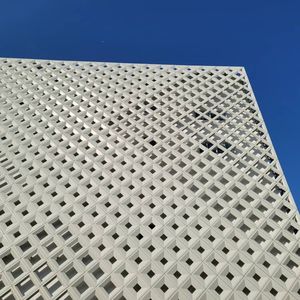
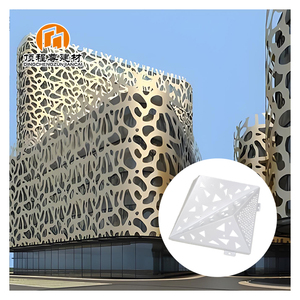
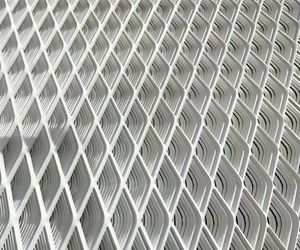
Commercial office towers in BKC and corporate campuses in Thane demand high-traffic point-fixed glass balustrades with SS 316 standoffs or side-mounted heavy-duty spigots. These systems combine high occupancy load resistance with seamless aesthetic appeal, integrated alongside energy-efficient curtain walls and perforated decorative metal sunshades.
Private residential swimming pools and expansive roof decks necessitate windbreak glass perimeter walls. Utilizing side-mounted spigot systems and laminated safety glass with hydrophobic anti-stain coatings prevents salt mist build-up, maintaining crystalline clarity with minimal cleaning cycles.
Older housing societies and commercial complexes undergoing facade upgrades replace deteriorating mild-steel railings with pre-engineered aluminum modular balustrades. Factory-fabricated systems permit rapid, suite-by-suite installation without disrupting existing tenants, dramatically elevating structural safety and real estate valuation.
Aluminum base shoe channels with integrated IP67-rated waterproof LED strip channels illuminate balcony perimeters. Low-voltage dynamic accent lighting enhances skyline aesthetics across night-time Mumbai high-rises.
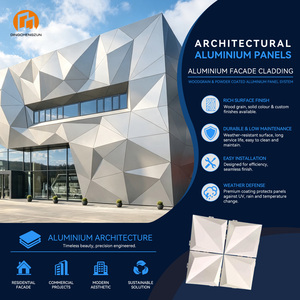
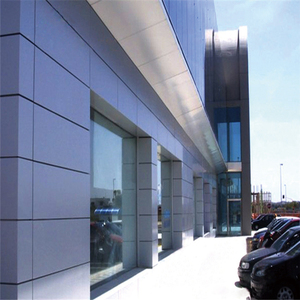
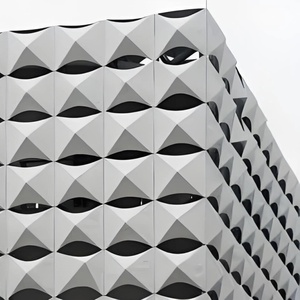
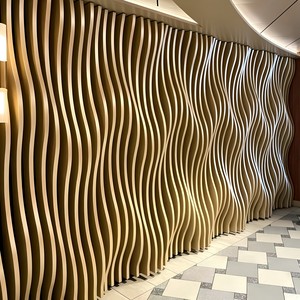
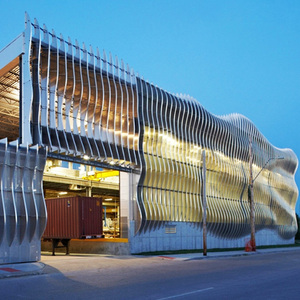
Blending glass railings with 3D faceted aluminum wall panels and kinetic dynamic solar shading allows building skins to respond fluidly to coastal wind and sunlight, significantly cutting HVAC solar heat gains.
Semi-transparent photovoltaic glass balustrades transform sun-exposed south and west balconies into power-generating surfaces, helping luxury developments attain LEED and IGBC Green Building certifications.
Eliminating the classic green tint of standard float glass, low-iron opti-white toughened glass delivers true-color visual transparency, essential for high-end residential projects targeting unobstructed ocean views.
The primary failure mode in architectural glazing projects stems from split responsibilities between profile extruders, glass laminators, hardware suppliers, and local installation crews. A vertically integrated manufacturing framework resolves these fragmentation risks.
Every railing system, base shoe layout, and glass thickness calculation is verified using Finite Element Analysis (FEA) against project-specific wind loads, anchor embedment depth, and concrete slab strengths prior to fabrication.
Precision CNC extrusion drilling, automated glass edgework, thermal breaking, and cleanroom autoclave lamination take place under one roof, guaranteeing strict tolerance control and batch-to-batch quality consistency.
To match tower construction schedules and avoid congested job site storage in Mumbai, shipments are packaged in floor-by-floor sequences, pre-assembled with protective film, and shipped directly to Nhava Sheva (JNPT) or site staging areas.
Direct technical answers to common queries regarding local code compliance, glass selection, corrosion protection, and customs lead times.
Glass thickness depends on balcony width, height above ground level, and anchor attachment style. Per IS 875 (Part 3) and modern structural practice in Mumbai, balconies above 15 floors (45m+) generally require laminated safety glass with a minimum thickness of 13.52mm (6mm + 1.52mm interlayer + 6mm) for post-and-spigot systems, or 17.52mm to 21.52mm (8mm/10mm toughened glass + SGP interlayer) for continuous frameless base shoe designs.
Mumbai’s tropical coastal atmosphere features high humidity, warm ocean breezes, and elevated salt air concentration. Standard PVB interlayers absorb atmospheric moisture over time, leading to edge clouding, bubbling, and delamination. SGP (Ionoplast) interlayers are hydrophobic, chemically inert, 100 times stiffer than PVB, and retain structural integrity even if both glass panes suffer breakage.
Premium aluminum base shoes utilize T6-grade 6063/6005A architectural aluminum alloys treated with a minimum 25-micron anodic coating or high-performance 3-coat PVDF (Fluoropolymer) paint. This surface protection prevents galvanic action and sea-salt pitting, easily passing 3,000-hour salt spray corrosion resistance testing (ASTM B117).
In India, structural glass railing design complies with IS 875 (Part 3) for design wind loads, IS 2553 (Part 1) for safety glass in buildings, and NBC 2016 (National Building Code of India). Overseas suppliers providing test reports verified under international standards such as ASTM E2353, BS 6180, or CSA A440 can supply equivalent or superior performance submittals for local structural consultant sign-off.
Yes. Retrofitting onto existing reinforced cement concrete (RCC) slabs involves re-engineering anchor embedment points. Core drilling with chemical anchoring studs (such as Hilti HAS-U or Fischer resin anchors) into structural beams or thick slabs ensures compliance with code-required line loads without damaging existing rebar or post-tensioning tendons.
Direct factory sourcing packages are shipped via sea freight directly to Nhava Sheva Port (JNPT), Mumbai. Established international suppliers provide complete documentation—including Bill of Lading, Certificate of Origin, Mill Test Certificates (MTC), and HS Code classification (under Chapter 70 for Glass or Chapter 76 for Aluminum)—enabling seamless import clearance through local clearing agents.
Engineering shop drawings and FEA calculations typically require 1 to 2 weeks for approval. Production of custom extruded profiles, CNC cutting, tempering, cleanroom lamination, and quality assurance takes 3 to 4 weeks. Ocean transit to Mumbai JNPT port requires approximately 12 to 18 days depending on shipping lanes, resulting in an end-to-end delivery cycle of 6 to 8 weeks.
Point-fixed spigots (stainless steel mini-posts) offer a lightweight, minimalist aesthetic and simpler drainage for rainwater runoff. However, continuous aluminum base shoes distribute wind shear and structural load evenly along the entire slab edge, allowing taller glass heights and higher load ratings ideal for high-exposure tower balconies above 20 storeys.
Connect with our technical engineering team for structural wind load calculations, shop drawing reviews, architectural submittals, and direct factory pricing.
Send an Inquiry